

There are many care options available for seniors. The first step to getting the right special care for seniors is to know the different types of care available and what the senior’s care needs are.
Understand the care needs of seniors
The first step to understanding the special care seniors need is to understand their health, living conditions, and the areas in their lives that they need assistance with.
The 3 main ways to understand a senior’s care needs:
- Have an open conversation about areas where they need help
- Consult their healthcare team
- Do an assessment
Having open communication with the senior is vital. It is their life, and they need to be able to maintain as much control of it and be as independent as possible.
Focus on working as a team to get seniors the care they need. Check out this post to get some tips on talking to seniors about accepting help.
Unfortunately, some seniors are resistant to acknowledging they need help or can have conditions that make it difficult for them to give an accurate representation of their needs.
That is why it is also important to consult their healthcare providers— to understand their conditions and medications.
It is also important to look for signs they need help, such as
- poor diet or unexpected weight change (could be from challenges grocery shopping, cooking, or eating)
- poor hygiene (can signal difficulty bathing and grooming)
- dirty dishes or house (a sign they need help with housekeeping)
- injuries (could result from falls)
- forgetfulness of appointments or taking medication (shows they need help keeping track of appointments and medication compliance)
From there, take the time to assess the different needs of seniors discussed below.
Home safety
Seniors need their homes to be free from fall hazards.
Focus on:
- Having clear paths to walk—remove clutter and furniture
- Keeping stairs clear and sturdy
- Securing rugs, carpets, or loose floorboards
- Removing any loose cords
- Having good lighting
- Considering any needed mobility aids, such as canes or walkers
Go through the CDC’s Fall Prevention Checklist to ensure there are no fall hazards.
Learn more about How to Help Prevent Falls in Seniors.
Physical needs
Seniors and their healthcare teams can work together to understand their health conditions and the care needs that come with it.
Don’t forget to consider:
- vision
- hearing
- oral care
- nutrition
- incontinence
- mobility
- pain
- sleep
Physical care needs can range from treatment, physical or occupational therapy, help getting to appointments, assistance with meals, managing incontinence, or getting around.
Additionally, there are multiple medical conditions that would require special care for seniors.
These include people who are:
- On hospice
- Recovering from a stroke
- Bed bound
- Receiving chemotherapy
- Recovering from illness or injury
- Dealing with Alzheimer’s or dementia
Medication compliance
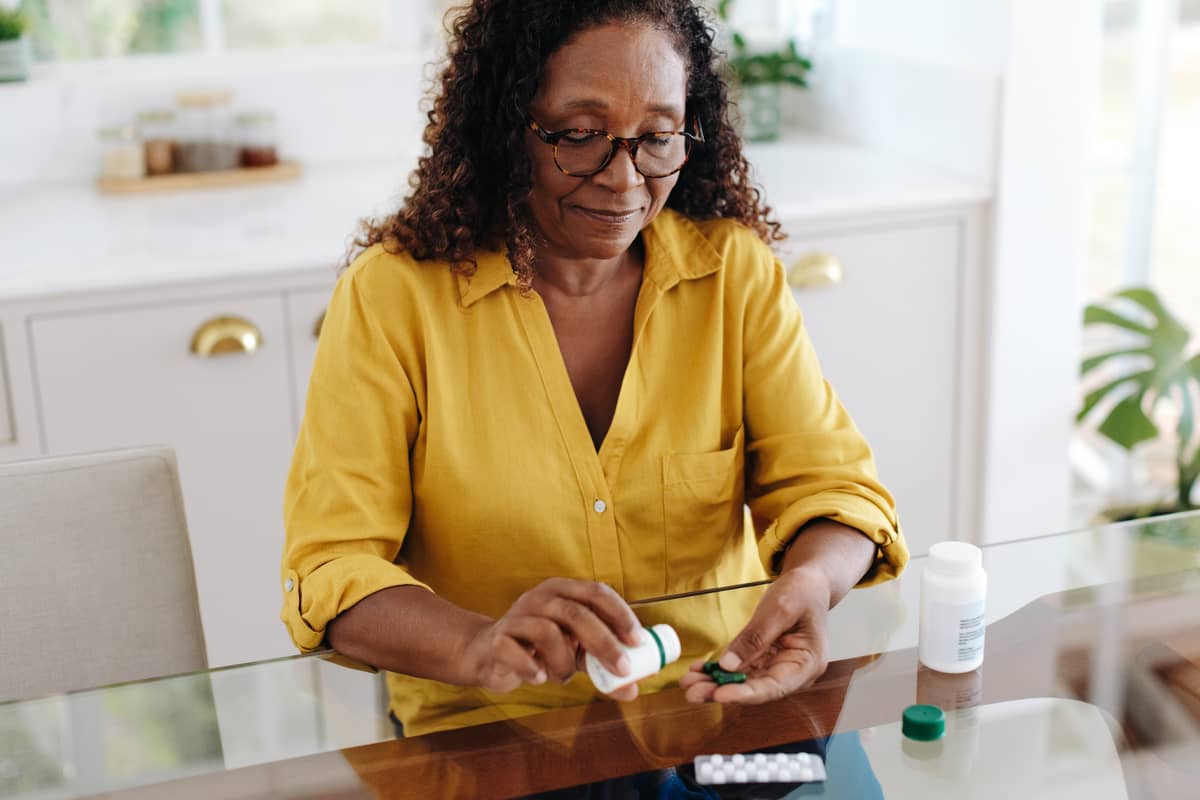
Their healthcare providers can also help create a clear list of the medications they should take—including the dosage and timing.
Can the senior manage their medication compliance on their own? Or do they need assistance?
Daily living
One of the biggest types of care seniors need help with is their activities of daily living (ADLs)—the fundamental skills required to take care of yourself.
These include:
- Moving around
- Going to the bathroom
- Bathing
- Dressing
- Grooming
- Eating
They may also need help with their instrumental activities of daily living (IADLs)—the tasks required to live independently.
These include:
- Preparing food
- Managing medications
- Shopping
- Managing their finances
- Housekeeping and laundry
- Transportation
Use our ADLs checklist to see if they need help with any of these.
Emotional and psychological needs
While the physical needs are easier to see and address, it is also important to consider their mental health. Do they need to see a therapist or psychiatrist?
Social needs
Their social needs should also not be ignored.
According to the National Academies of Sciences, Engineering, and Medicine (NASEM), about 25% of seniors (65 or older) are considered socially isolated—meaning they lack social connections.
Social isolation has serious impacts on a person’s health. In fact, according to the CDC, social isolation increases a person’s risk of premature death as much or even more than smoking, obesity, and physical inactivity. It increases the risk of physical, mental, and cognitive illnesses.
Seniors can meet their social needs by:
- Interacting with friends
- Having close family connections
- Being involved in their community through groups, volunteering, or employment
- Hiring companionship care
Understand the types of care available
There are multiple different types of elder care services available depending on the level of medical care required and housing preferences.
Family and friend caregivers
Family and friends can serve as caregivers to seniors in their homes by assisting with transportation, housekeeping, meal prep, bathing, etc…
Family or friends can also provide care by moving seniors into their homes.
If family and friends do serve as caregivers, they need to still be aware of the other forms of care available, especially respite care (which allows caregivers to take a break from caregiving to focus on their own health and needs, so they can avoid caregiver burnout).
Residential facilities
The primary residential facilities that offer care are assisted living facilities (that help with ADLs, provide meals, supervise, and offer some medical care) and nursing homes (that help with ADLs, provide meals, supervise, and offer more extensive, round-the-clock medical care).
Adult day
Adult day centers provide programs during business hours for seniors to socialize and be supervised during the day.
Home health care
Home health care is medical care provided by a medical provider (such as a nurse or physical therapist) in the senior’s home.
Home care
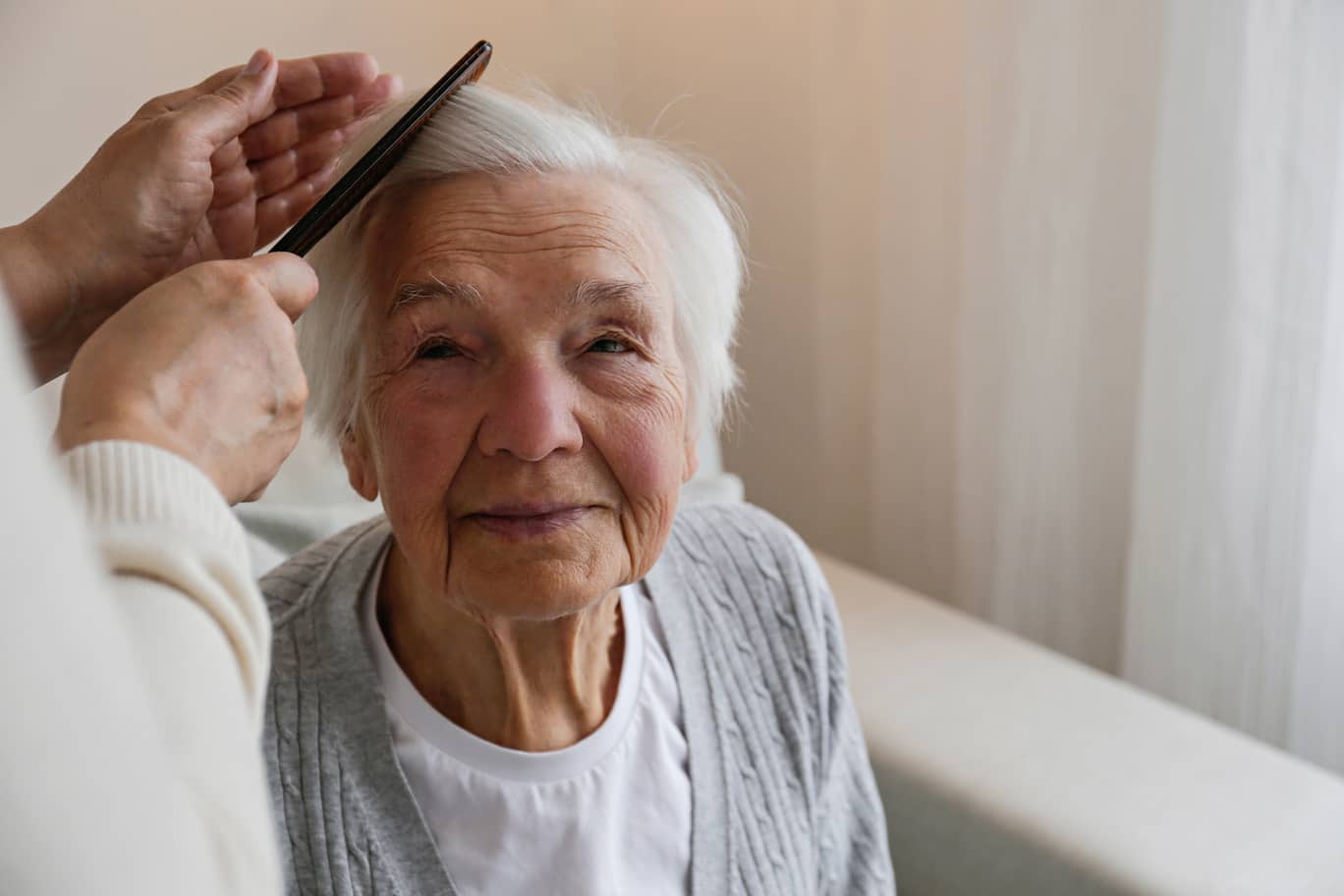
Home care provides non-medical personal care services, such as help with their ADLs, meal preparation, light housekeeping, and transportation.
To decide what type of care is needed, consider how much medical care is required vs. help with their daily living and where they want the care to be provided.
Choose Pacific Angels Home Care for Special Care for Seniors
Pacific Angels Home Care offers special care for seniors in Monterey, Santa Cruz, Aptos, and the surrounding areas.
Our compassionate and experienced caregivers are available as needed and provide a wide range of services tailored to each individual’s needs.
They can help with transportation, arranging appointments, light housekeeping, meal preparation, and activities of daily living.
We also provide companionship care and dementia and Alzheimer’s care.
Call us today at (831) 708-2876 or reach us online to learn more about our special care services.
