

Being a caregiver for your elderly loved ones can be stressful, and it is important that caregivers find the support they need.
Respite elderly care allows caregivers to take a break and have someone else take on the caregiving responsibilities.
What is Respite Care?
Respite elderly care is when someone else temporarily takes over the responsibility of caregiving so that the primary caregiver can get a break. Respite care can be provided by family or professional caregivers. It can occur at home, adult day service centers, or residential facilities for overnight stays.
Being a caregiver can be exhausting. It is important to practice self-care and have a support system to avoid caregiver burnout.
Respite care providers can be a part of that support system.
Respite programs for caregivers offer the services of professional caregivers as needed so that the primary caregiver can work, attend to other personal responsibilities, run errands, go to the doctor, relax, visit friends, or even go on vacation.
Short-term breaks can benefit both the caregiver and their elderly loved one.
It allows the caregiver to address other responsibilities or recharge, and it gives the elderly individual a chance to get a change of routine and additional companionship.
When can you use respite care?
Respite care can be planned in advance or used in an emergency when the caregiver is injured or sick. It can range from lasting a couple of hours to a couple of weeks.
Respite care at a residential facility may be suggested after a hospital visit if the individual needs additional care and isn’t ready to return home.
No matter when it is used, caregivers can have peace of mind knowing that they have another option to ensure their loved one is well-cared for.
What are Respite Care Services?
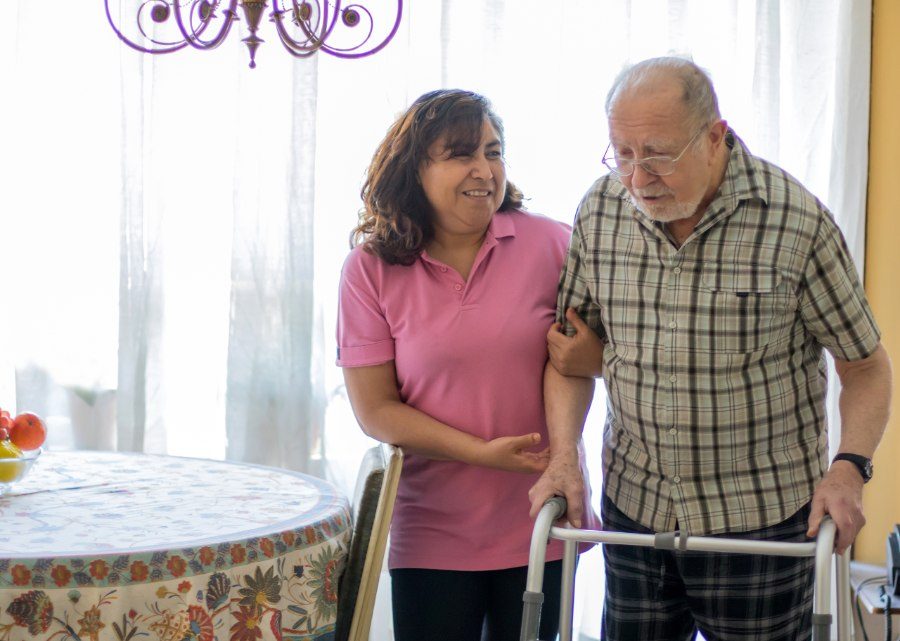
Respite care services offer a range of services tailored to the individual’s needs. Services include supervision, companionship, medication assistance, help with a person’s activities of daily living (ADLs), meal prep including grocery shopping and cooking, light housekeeping, laundry, and transportation.
All respite care will include supervision and some level of assistance. Beyond that, what services are available with respite care depends on which type of respite care a person receives.
What are the different types of respite care?
There are many different types of respite care available to help manage responsibilities for the seniors in your life. Let’s go over a few of them there.
Informal respite care by friends or family
Family and friends can provide informal respite care by arranging times for them to take over the caregiving responsibilities.
You would need to work out what they are able/comfortable helping with, such as light housekeeping, preparing meals, taking your elderly loved one to appointments or to run errands, or simple companionship.
This can be a nice way for other family members to be involved and help out.
Volunteer respite care
Some religious groups, community organizations, or non-profit centers offer volunteer respite care. Look around your area to see what is available.
Adult day service centers

Adult day service centers provide elderly individuals a place to go during business hours on weekdays where they can socialize in a safe environment.
This can be ideal for people that need help with caregiving while they work or for elderly individuals that are isolated and need more social interaction.
The centers have planned activities such as art and music and provide meals and snacks. Many will accommodate special dietary needs, and some even provide transportation.
However, these types of facilities can sometimes be overly expensive in comparison to hiring a caregiver that will come to your home, and some seniors will not like the idea of having to go to a care facility.
Respite care by home care providers
Professional home care providers often offer respite. They can be either independent caregivers or caregivers through a home care agency.
Home care providers tailor their services to the individual’s needs. They offer flexible hours with as little or as much help as needed.
Home caregivers offer companionship, meal prep, light housekeeping, laundry, and transportation.
They also offer help with a person’s activities of daily living (ADLs):
- Mobility: Moving around and walking
- Dressing: Select appropriate clothes and dressing/undressing
- Personal hygiene: Bathing and grooming
- Going to the bathroom
- Eating
To learn more about what activities of daily living are and what help your loved one needs with them, check out our post: Activities of Daily Living (ADLs): Checklist and Examples.
Many home care providers also offer more specialized respite care such as dementia and Alzheimer’s care.
Keep in mind that home care is non-medical care, so if your loved one needs more medical assistance, then home health care or a residential facility may be necessary.
Residential Facilities
If you need respite care for overnight stays, such as when the primary caregiver goes on vacation or after the elderly individual is recovering from a hospital stay, then short-term care can be provided at a group home, assisted living facility, or nursing home.
Not all residential facilities offer short-term respite care, so it is best to look around and plan ahead.
How to choose a respite care provider
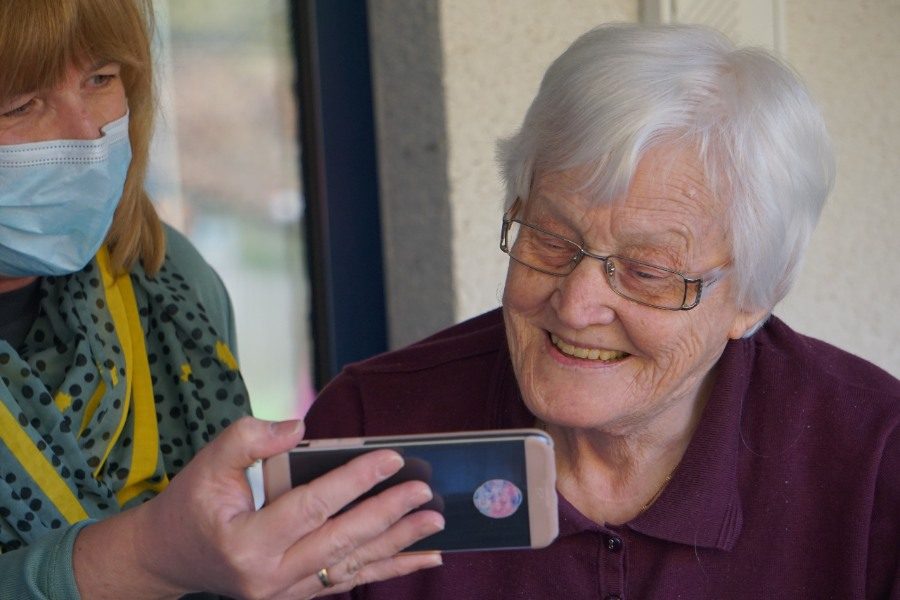
If you think that your family might need respite care, the next step is to find a respite care provider.
It’s a good idea to know your options or even try out respite care providers so that you and your elderly loved one can have peace of mind knowing that you have a backup care option in case of an emergency.
First, you will need to determine what type of respite care provider best fits you and your loved one’s needs. Make a list of all the things that your loved one needs help with, when you need additional support, and for how long.
Finding an adult day service center
An adult day service center may be right for you if you need someone to look after your loved one during the day (such as while you go to work).
According to the CDC, there are 4,200 adult day services centers in the United States. Search your area to see if you have a center.
If you do, check the hours, what services are offered, and what activities they have to see if you and your loved one think it could be a good fit.
Deciding on a residential facility
If your loved one needs a respite care program where they stay overnight, look into what residential facilities offer short-term care around you.
When deciding on a residential facility for respite care, you will need to determine what level of medical assistance is required.
According to the National Institute on Aging (NIH), residential facilities offer varying degrees of medical care.
Group homes do not provide meals and help people with the activities of daily living but do not provide medical care on-site.
Assisted living facilities offer some medical care, but not as much as nursing homes which provide more comprehensive medical care.
Choosing a home care provider

A home care provider is the best and most versatile option for respite care provided at home.
Independent caregivers
While you can find a caregiver independently, then you have to worry about screening (including background checks), training, directly paying (including providing a W2 or 1099), oversight, and firing.
If you use an agency, they are the employer and will handle all this. Agencies also have the added benefit of being able to send a replacement caregiver and offering more flexible hours.
Using an agency will be much easier.
Home care agency
Home care agencies can assess what services they need and tailor their care to their needs.
When looking for a home care agency, you should:
- check that they are bonded, licensed, and insured
- ask for references
- determine their availability
- understand the specific services they offer
Hire Pacific Angels Home Care for Respite Care in California
Pacific Angels Home Care is bonded, licensed, and insured, and our caregivers are thoroughly screened and trained. We offer customized respite care whenever you need additional support.
We provide personal care, light housekeeping, meal preparation, transportation, or companionship.
For those in the Santa Cruz and Monterey Bay area, if you have any questions or would like to schedule an in-home consultation, give us a call today at (831) 708-2876 or reach us online.
