
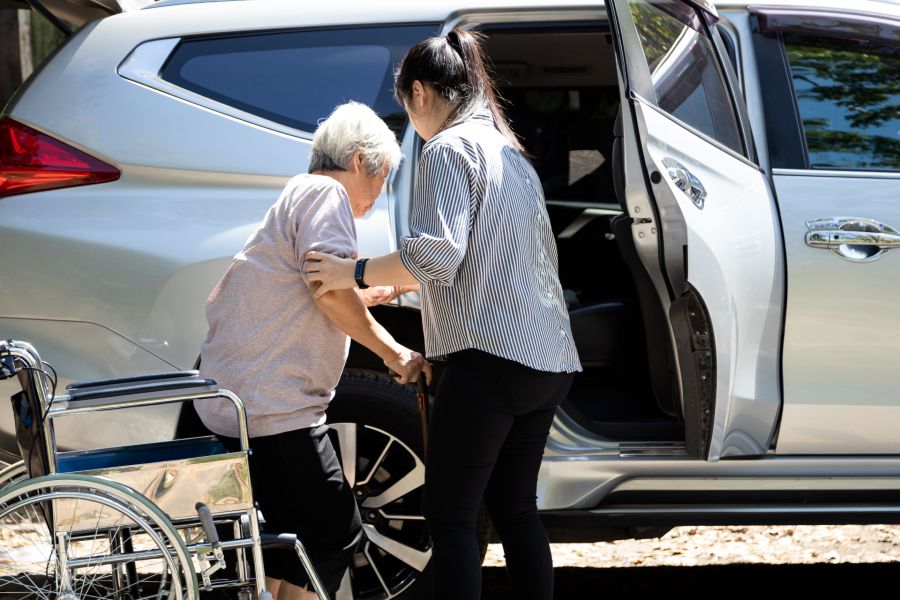
Lack of transportation for seniors is a serious issue.
According to the National Aging and Disability Transportation Center (NADTC), 39 percent of caregivers report spending five to ten hours a week providing transportation. Yet 40 percent of seniors who cannot drive report that they still cannot do the activities or chores they need or want to do.
This can lead to caregiver burnout and seniors dealing with a lack of independence and social isolation.
Luckily, there are many transportation options for seniors that can help to ensure they can attend their doctors’ appointments, shop for groceries, and remain active and connected in the community without being solely dependent on family or friends for rides.
To find safe transportation for seniors, start by finding all the transportation services available in the area by asking for referrals, using the Elder Locator directory, or calling 211. Then ask each service when and where it is available and what accessibility and assistance it offers.
Use this information to determine the best transportation service for their individual needs.
Transportation Options for Seniors
Let’s look at some of the most common transportation services for seniors.
Family and Friends
It’s no surprise that transportation is a major issue that seniors face. With the loss of independence, many are forced to rely on family and friends for help when it comes to getting around their community. The burden of these relationships can take a toll on other aspects of life like happiness and physical health, making it difficult for seniors to live at home independently.
However, since they may not always be available or seniors may not want to be dependent on their loved ones to get around, it is a good idea for seniors to know what other options they have for transportation.
Public Transportation
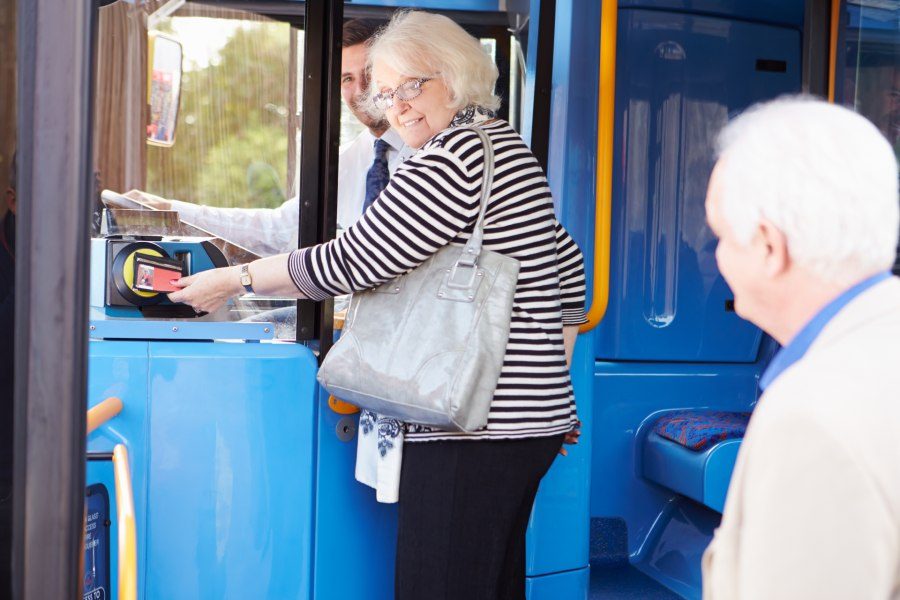
Public transportation systems have been evolving over the years to address the needs of an aging population. Today, many cities have services that help seniors get around more easily and independently.
The benefits of public transportation for seniors are numerous. One of them is that it helps to keep them active and engaged in society, which can reduce depression and loneliness. It also reduces the risk of isolation by providing a social environment with other passengers on a bus or tram.
These systems also provide freedom from having to rely on family members or friends for help getting places, increasing independence and dignity for elderly people who no longer drive themselves.
Common Public Transportation
Public transportation options vary depending on where you live, but some common options are:
- Buses
- Subways
- Light rail
- Commuter rail
- Trolleys
- Ferries
Public transportation has set routes and schedules. It is generally low cost, and there are often discounts for seniors.
This can be a great option, but the level of accessibility of public transportation can vary since while almost 99% of fixed-route buses are accessible, the bus stops or pathways to the bus stop may not be, and around 25% of the rail stations are not accessible.
Before seniors rely on public transportation, they should try it with a family member, friend, or caregiver to make sure it meets their accessibility needs.
Paratransit
The Americans with Disabilities Act (ADA) requires public transit agencies that provide public transportation services to also provide paratransit service to people who cannot use the fixed-route service because of a disability.
Paratransit is a ride-share service where they make multiple stops picking people up (including at their homes) and dropping them off, much like traditional public transportation.
The paratransit area is three-quarters of a mile from any public transportation route, and it operates during the same hours as public transportation.
The vehicles will be accessible, but in order to use paratransit, riders must meet the ADA eligibility criteria.
To learn about what paratransit services are available in your areas, their prices, eligibility, and scheduling requirements, Google “Paratransit” + “your area” such as “Paratransit Monterey, CA”.
Taxis
Taxis can be a good form of transportation for seniors if they can travel on their own and don’t require an accessible vehicle.
Ride-hailing Apps
Ride-hailing apps such as Uber or Lyft send drivers to the user’s location and take them to wherever they wish to go.
While some cities offer wheelchair-accessible rides, you shouldn’t expect ride-hailing apps to be accessible.
Another barrier can be that all bookings and payments are made on their websites or mobile apps, which can be difficult for some seniors.
An option to deal with this challenge is to use the concierge service GoGoGrandparent which connects seniors with ride services like Uber or Lyft. For an additional fee, they allow users to call in to request a ride, and they monitor the rides.
ITN America
ITN (Independent Transportation Network) offers seniors door-through-door transportation (they help you into and out of the car and to your location).
Their locations are limited, and their fees consist of membership and ride credits. Use their “Find your ITN Community” feature to see if they offer services near you.
Home Care Services
Paratransit and ITN America provide accessible transportation, but they still require passengers to be able to travel by themselves, which can be challenging if not impossible for some people.
Home care transportation services can be a great option to ensure that seniors get the transportation services they need and the help they need.
The caregivers will help you in and out of the car, drive you where you need to go, and help you inside.
If your loved one suffers from cognitive impairments such as confusion or memory loss, being accompanied by a caregiver is the safest way for them to travel.
They can help with grocery shopping, taking you to a social outing, or making sure you get to your doctors appointments.
Transportation for Seniors to Medical Appointments

We have covered transportation options for everyday travel, but it is important to note that Medicaid and some insurance providers cover transportation to medical appointments.
They will schedule some form of transportation such as car or van driven by community groups, taxis, Uber or Lyft rides, or Veyo drivers (a company that solely provides non-emergency medical transportation).
Transportation options and eligibility vary, so you should contact your insurance provider to learn what is available for you.
How to Find Alternative Senior Transportation Options
We have covered many of the most common transportation options, but there will be more options depending on where you live, including local nonprofits that offer transportation services for seniors.
A few places to look for additional options are:
- Family and friends
- medical professionals
- local senior centers
- Eldercare Locator offers a directory of transportation services. Use their Transportation search to type in your zip code and see what is available or call them at 1-800-677-1116.
- See if your area has a mobility manager that can help to coordinate transportation programs for you.
- Call 211 or visit 211.org to get information on services in your community (available in all 50 states)
Which Transportation Option is Right for You or Your Loved One?
Once you know the available transportation options for seniors, you need to decide which service is right for you.
Some questions to ask are:
- When is the service available?
- Is it a set schedule?
- What are their hours?
- Is it available on holidays?
- Can it be used only for medical appointments?
- Where are the services provided?
- How do you arrange transportation?
- Do you have to book a ride in advance? If so, how far in advance?
- Do you book by phone, app, or website?
- What is the cost?
- Do they offer senior discounts?
- Does insurance, Medicaid, or Medicare cover it?
- If family members/caregivers accompany the senior, is there an additional charge?
- Does it require a membership?
- What screening does the driver go through?
- What kind of accessibility and assistance is offered?
- Are the vehicles handicap accessible?
- Will the driver help the passenger get in and out of the car?
- Will the driver help the passenger into the building?
- Will the driver help put bags or mobility aids (such as wheelchairs or walkers) in the car?
- Are there eligibility requirements to use the service?
- If so, do you meet them?
Though there are many factors to consider when choosing a transportation service, the biggest question that you need to ask is how much help does the senior need. If you need additional help besides just a ride, look into home care services.
For those in the Monterey Bay or Santa Cruz area, give us a call today at (831) 708-2876 or reach us online to find out more about our transportation services!
