
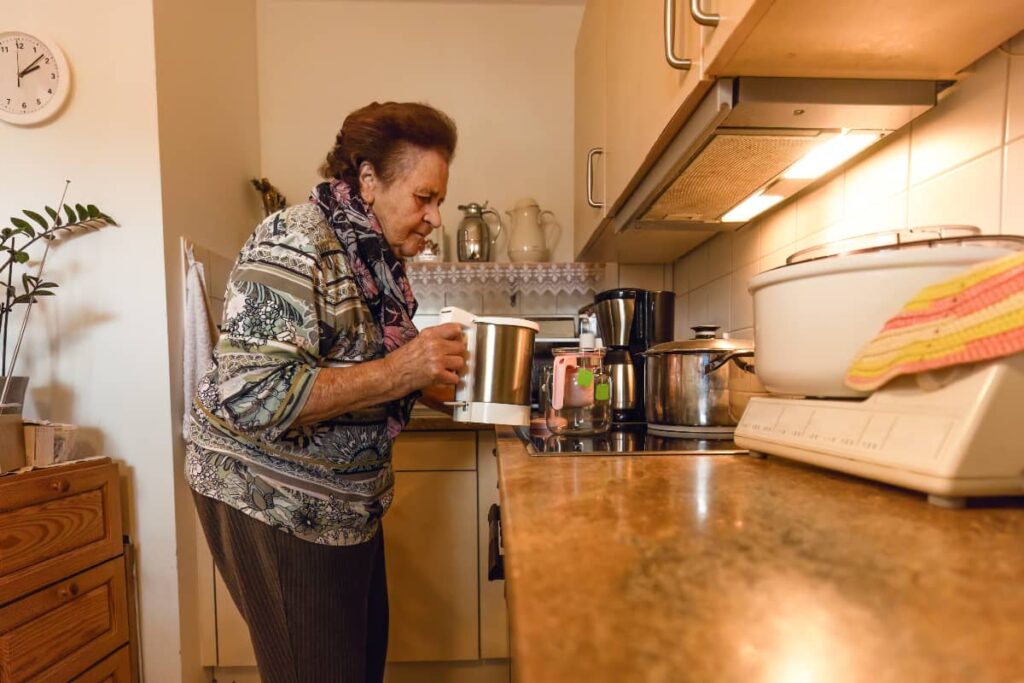
Learning how to help elderly parents stay independent while also ensuring their health and safety is a difficult balance.
People can help their elderly parents stay independent by making their home safe from fall hazards, getting any helpful aids or modifications, and developing routines to make managing their health and taking their medications easier. If they need more assistance, set them up with home care.
Let’s break it down into 10 easy steps to follow to help your parents stay independent.
1. Have the right mindset
The first thing you need to do to help aging parents stay independent is to focus on respecting their agency and what they can do.
Respect their agency
Wanting to help your parents is great, but don’t take over. They are adults, so you should respect their agency. They get to retain control over their life.
Even if at some point they become incapable of making decisions or managing their safety and require you to step in or become Power of Attorney, you should still try to give them as much choice as possible.
You are not taking over their life; you are working as a team focused on ensuring they have the best quality of life possible.
Focus on what they can do
It isn’t realistic that, as they age, they will always be able to do everything independently. Focus on what they can do.
Your definition of independence may have to adapt and expand. Promote assisted independence where they can get help with what they need on their terms, but continue to do all the things they are able to. They remain in control.
2. Talk to them
Once you have the right mindset, talk to your parents. The earlier the better. It is easier to discuss arrangements in a hypothetical before they actually need help. Discuss what their wishes are (including if they have a living will or healthcare proxy). Know their healthcare providers and insurance.
When talking to them about accepting help, remember to approach the conversation with empathy and with a teammate mentality. Ask questions about how they are doing. Try to understand the health issues they face, things they need help with, and their feelings and concerns about this. Frame any assistance as helping them age in place, maintain their routine, or be able to do the things they love.
To help you both come up with a list of tasks they need help with, you can utilize our Activities of Daily Living (ADLs) checklist.
Money is always a difficult topic to approach, but it is useful to know their financial situation and budget as you research what their options are, including:
- assistance from friends and family
- adult day programs
- home care
- home health care
- assisted living facilities
Learn more tips for how to talk to elderly parents about accepting help.
3. Coordinate with their healthcare team and other caregivers
Once you understand the assistance they need, a big task of family caregivers is to coordinate with all their healthcare providers and with their other caregivers who share responsibilities. As a family, discuss who can help with what. It is important that everyone is on the same page and understands their limits.
4. Make their home environment safe and accessible
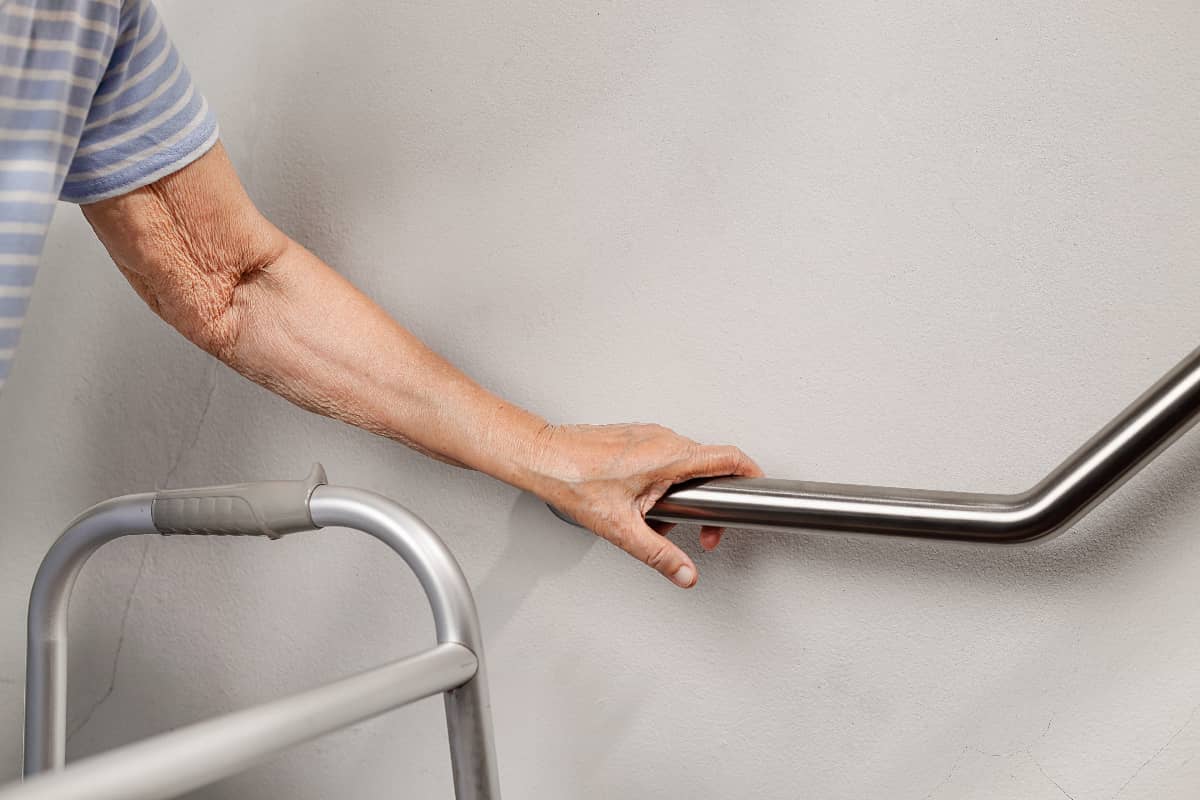
Falls are not only dangerous, but they also drastically decrease the person’s independence. Going through the CDC’s Home Fall Prevention Checklist is a great way to help your parents stay independent.
Some ways to prevent fall hazards include:
- Clearing walkways (especially hallways and stairs) from clutter
- Having sufficient lighting (including nightlights)
- Putting railings on the stairs
- Removing or securing rugs, loose carpets, or loose floorboards
- Taping down any cords
- Adding nonslip shower mats and grab bars in the bathroom
- Using a shower chair and having a walk-in bathtub
- Installing a raised toilet seat
- Utilizing any necessary mobility aids, such as canes or walkers
- Buying them non-tie shoelaces or velcro shoes
Learn more about How to Help Prevent Falls in Seniors: Risks and Prevention Tips.
You can also try to make their home more accessible by reorganizing or utilizing any modifications, such as:
- Things within easy reach and labeled
- Phones or remotes that are voice-operated or have larger buttons
- Home security systems
- Hand-held shower heads
- Adjustable chairs or bed
- Lever-style door handles
- Easy-to-open containers
- Electric can openers
- Medical alert systems
5. Managing health
Helping your aging parents manage their health is a huge way to keep them independent. Focus on the key areas:
- Appointments: Arrange or accompany them to necessary appointments.
- Medications: Create a routine and system for them to fill and organize their medicines. Use pill organizers and reminders.
- Diet: Help them plan healthy meals. You can assist them with grocery shopping or cooking.
- Exercise: Encourage them to exercise. You can exercise or walk with them, or show them available classes in the area.
- Cognitive health: Play word games, memory games, chess, or puzzles with them.
- Mental health: Be an emotional support for them. Talk about the benefits of seeing a therapist.
6. Transportation
Transportation is a big area where seniors can lose independence. If it is no longer safe for them to drive, offering to drive them is a great help. You can also help them maintain independence by showing them all the safe transportation options available and getting them set up to use them.
7. Encourage them to stay social
Social isolation (or a lack of social connections) can be a big problem for the elderly. Encourage your parents to see their friends, get involved in the community, volunteer, pursue their hobbies, and join new groups. Also, prioritize spending time together. If you can’t see them in person frequently, then make time for phone calls or video calls.
Learn more about how you can help your aging parents avoid social isolation.
8. Develop an emergency plan
It is easier for everyone to be independent when you all have a plan in place in case of emergencies. Make sure you have a list of contacts and their medicines. Consider buying them a medical ID bracelet. Know your options for care in an emergency.
9. Monitor and adapt
Continue to check in and monitor how your parents are doing and any changing care needs. Watch for signs that they need more help. Be prepared to adapt as needed.
10. Hire home care to help elderly parents stay independent

Some people think that hiring professional help is the opposite of being independent, but the reality is that hiring a professional caregiver can actually help seniors maintain their independence and age in place.
Here at Pacific Angels Home Care, we are available as needed and tailor our services to each senior’s needs. We can serve as an appointment liaison and coordinate care and schedule appointments. We can go through their home to ensure safety and offer light housekeeping. We also offer meal prep.
Our compassionate caregivers provide safe transportation and offer medication management to help remind seniors to take the correct dose of medicine at the correct time.
We can also offer companionship care to provide emotional support, socialization, and mental stimulation.
For those in the Aptos, Monterey Bay, or Santa Cruz area, call us today at (831) 708-2876 or reach us online to schedule an in-home consultation.
