
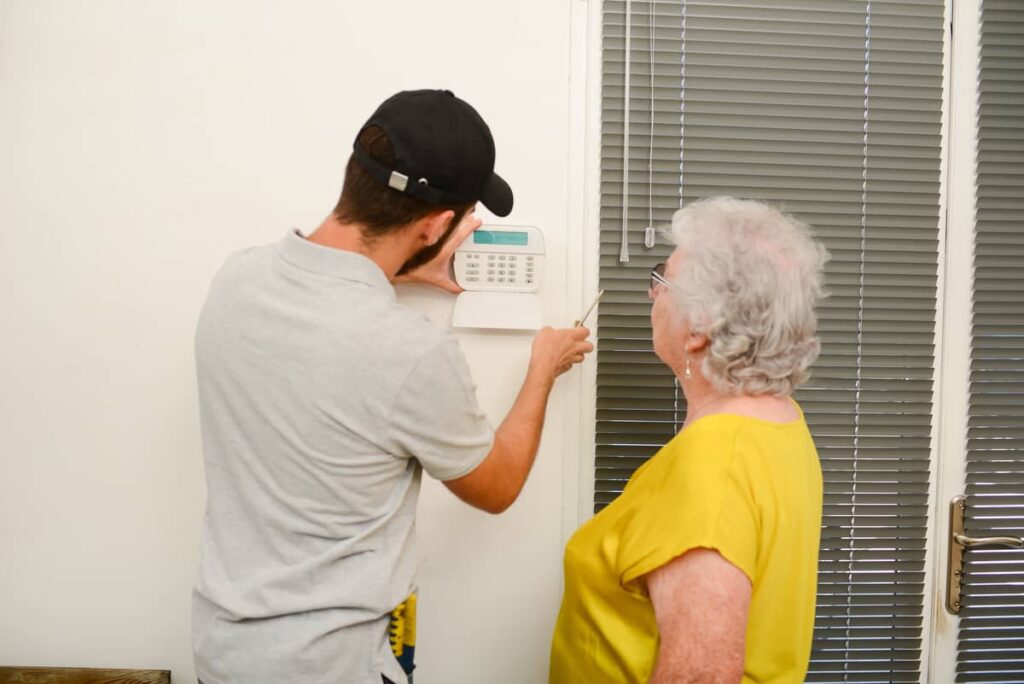
Many seniors want to age in place and stay in their homes.
Staying at home can especially benefit people with Alzheimer’s or dementia because they are in familiar surroundings, are comfortable, have their routines, have a support system, and can be more independent. Learn more about why people with Alzheimer’s or dementia can do better at home.
Learning how to make a home safer for those with Alzheimer’s or dementia can help them to stay in their homes longer, reduce accidents and injuries, promote independence, and bring peace of mind to family and friends.
Safety-proof the home for people with Alzheimer’s or dementia
Let’s look at areas to safety-proof first.
Remove fall hazards
The first step to take when safety-proofing a house is to check for fall hazards. Use this CDC checklist to check for:
- Clear pathways
- Clutter
- Any uneven flooring
- Loose rugs, carpets, or floorboards
- Unsecured cords
Clear and secure their home. Add handrails and grab bars (on the stairs and in the bathroom). Add nonslip mats next to any tubs or sinks. Ensure the floor has contrast (not shiny or a similar color to the walls).
While preventing falls is best, it is also a good idea to try to make it as safe as possible in case they do fall by securing large furniture or bookcases, covering sharp corners, and adding rubber faucet covers.
Increase light
Another way to reduce falls, accidents, and confusion is by improving lighting:
- Install bright lights
- Use night lights
- Open the curtains during the day for natural light and to foster a sense of time
- Consider motion-activated lights
Secure dangerous items
Go through the house and remove or put up and lock all dangerous items, such as:
- any weapons
- knives
- matches and lighters
- ladders
- medications
- tools and dangerous equipment such as mowers, weed trimmers, or chainsaws
If they can no longer drive but still have their car, also hide or lock up their car keys.
Adapt appliances
You may need to adapt how/if they use certain things. This could include:
- automatic shut-off appliances
- stove knob covers
- disconnecting the garbage disposal
- monitoring heating pad usage or space heaters
- installing safety locks on the washing machine or dryer to prevent inappropriate items from being put in
- removing electrical appliances from the bathroom
Have necessary monitors
Have the typical smoke and carbon monoxide detectors (and a fire extinguisher). It is also a good idea to have a natural gas detector since they may have trouble smelling a gas leak (or understanding what the smell is).
If they need more supervision for safety, you can consider using monitors or cameras. You could also use a smart home system to help them control lights, locks, and send alerts.
Be cautious about food safety
People can overlook food safety, but it is a crucial aspect of ensuring their home is safe.
Monitor for expired foods
Label everything. Use clear containers to store food, so they can easily see what is in them. Frequently rotate food, and check for expiration dates.
Lock up anything toxic that could be consumed
Securing medicine is a primary concern, but there are a lot of other things to get rid of or lock up that they could get confused about and eat. This includes:
- alcohol
- toxic plants
- any fake foods (like plastic decorative foods or flowers)
- cleaning supplies
- laundry soaps (keep in original packaging or locked up)
- gasoline
- toothpaste, lotions, soaps, or perfumes (the smell may make them think it is food)
- small objects that could be choking hazards
Utilize safety features
Utilize safety equipment such as:
- grab bars
- raised toilet seats
- devices to set a limit for how hot the water can get to prevent scalding
- covering outlets
- sensors to detect if water is left running
Also, consider using drain traps (not necessary for safety, but can be very convenient if they tend to drop things down the drain).
Adapt the house to prevent wandering
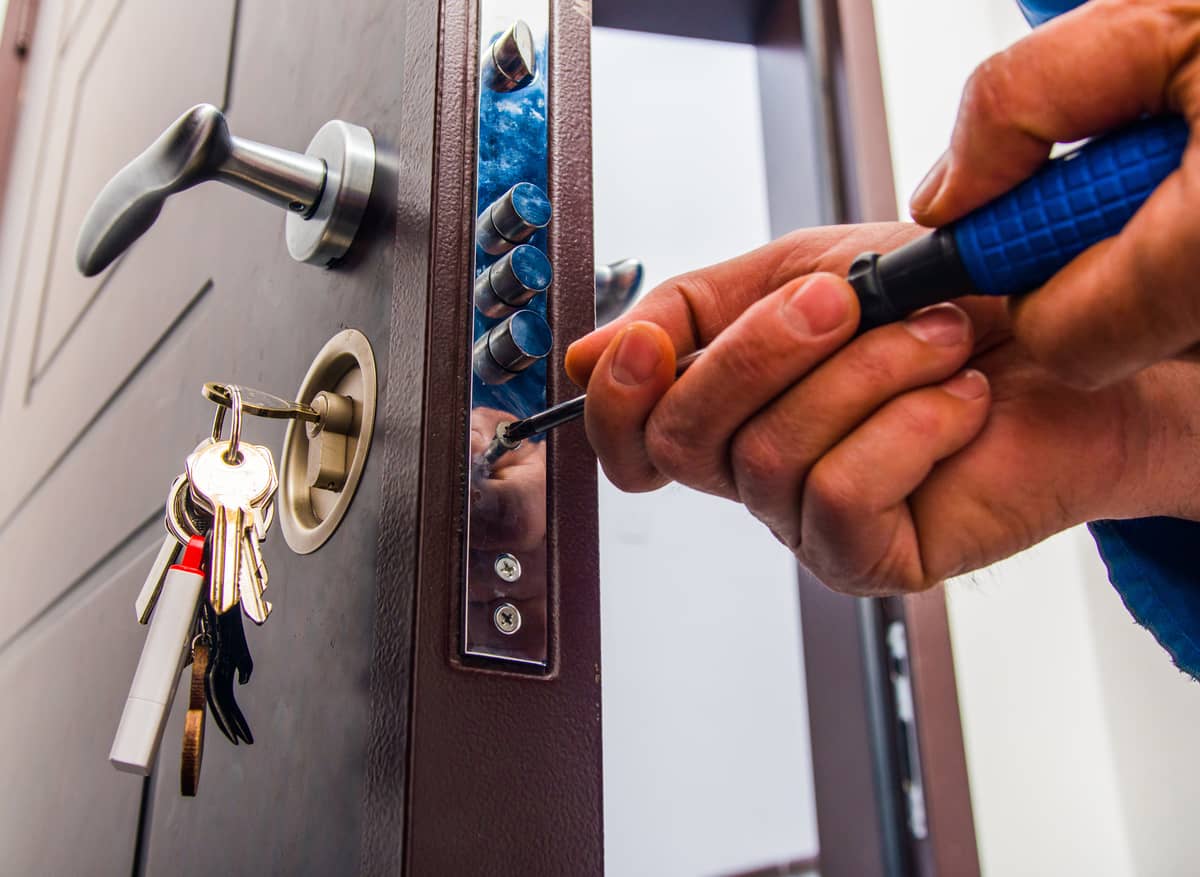
Another big safety concern is them wandering off or getting lost. Secure the doors and windows. Consider removing interior locks (so they can’t lock themselves in a room) and changing/adding more external locks. Put a deadbolt on the door that is out of eyesight (either above or below).
You can also install door alarms or motion sensors to alert you when a door is opened, and give them a smartwatch or other device that has a GPS feature.
12 ways to create an Alzheimer’s or dementia friendly home
While ensuring their safety is the most important thing, try not to be too restrictive and prioritize their comfort and help them have as much agency and independence as possible.
Organize house
Make it easy to navigate around the house and to find and use things. Keep things in the same place and within easy reach. Put items that aren’t regularly used up and keep the used items visible.
Use visuals
Add visual cues, such as labels or pictures, to items, drawers, or rooms. For example, label the hot and cold water faucets.
Keep a routine
Consistency helps people with Alzheimer’s or dementia. Try to plan activities (ideally at the same time each day or on a schedule). Write things down on a big calendar or whiteboard.
Focus on comfort
Make their home as inviting and comfortable as possible. Have the things they like around (distraction can be useful) and comfortable seating.
Support their memories
Display photos and familiar objects to reduce confusion.
Create a system for daily activities
Help them retain as much control and dignity as possible with their activities of daily living, such as bathing, grooming, and dressing. Get them a shower chair and a hand-held shower head to make it easier. Buy loose-fitting, comfortable clothing (avoid items with laces, buttons, or buckles).
Prioritize social visits
Seniors need to avoid social isolation. Prioritize meeting with friends, family, or caregivers. Have a clear and inviting area for visitors. Make it as easy as possible for them to engage in the activities and hobbies they enjoy, such as preparing movie nights, helping them select a new book, making music they like available to listen to, or providing their craft supplies.
Create a system for medication
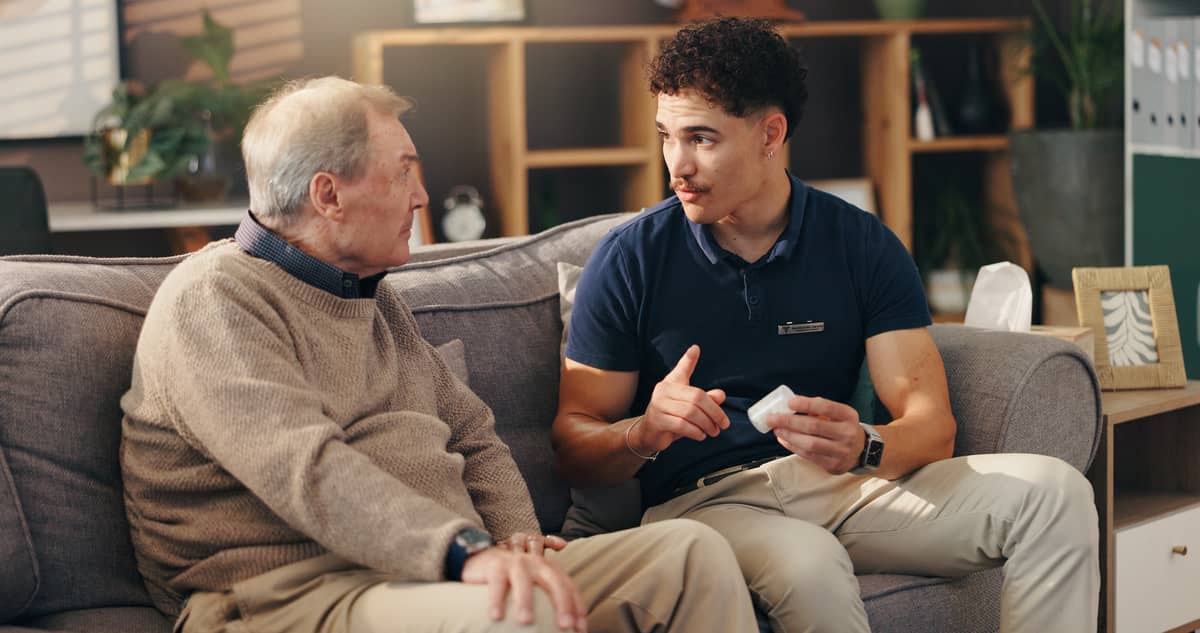
Keeping medicines safely locked away is important, but they also need to have a system for medication management. Depending on their needs, this could include:
- writing out instructions
- having clearly labeled doses and what time they should be taken
- alarms or reminders
- checklists to cross off once they take the medicines
- pill boxes
- automated pill dispensers (some have alarms and will not release more medicine, so they can’t take it twice)
Meal plan
Meal planning can become difficult for people with Alzheimer’s or dementia as the disease progresses. They may struggle with deciding on meals, grocery shopping, and cooking.
Caregivers can prepare food for them. They can encourage them to eat by taking their preferences into account, having meals at a consistent time and place, and giving them plenty of time to eat.
You can also make this easier by getting easy-to-grip utensils and bright, non-breakable cups and plates.
Limit overstimulation
Reduce the noise and avoid busy patterns, as these can cause confusion or overstimulation. Turn off the TV or radio when not using and have intentional quiet times. Consider placing a No Soliciting sign on the gate or door to limit unplanned commotion from strangers.
Make the outdoors appealing
Fresh air is good for people, so try to make the outdoors appealing by having a garden or nice places to sit in the shade.
Easy-to-use technology
Make their appliances, TV, and phone as easy to use as possible (big buttons). Place people’s numbers right by or a cheat sheet for speed dial. Get large, easy-to-read clocks.
Hire Pacific Angels Home Care for support at home
Pacific Angels Home Care specializes in care for people with Alzheimer’s or dementia. We can work with you to safety-proof your home. We are available as needed and tailor care to each person’s needs.
Our kind caregivers can help organize and maintain their routines. We can provide supervision and assistance with daily activities, such as moving around, bathing, grooming, and dressing. We also offer light housekeeping services, meal planning, medication management, and companionship care.
For those in the Aptos, Monterey Bay, or Santa Cruz area, give us a call today at (831) 708-2876 or reach us online to request an in-home consultation!
