

People with health challenges who want to stay in their home can utilize home care services to remain independent, active, and safe.
Learn more about the different services and the benefits of home care in Carmel, CA.
Services offered by home care providers
Home care providers offer a wide range of services that can be tailored to each person’s needs.
Assistance moving around
Personal care is help with a person’s activities of daily living (ADLs), and it is a common service provided by home care. Transferring (getting in and out of bed or chairs) and mobility (moving around) are ADLs. Home caregivers will provide mobility assistance.
Restroom care
Restroom care involves using the toilet, cleaning oneself, and incontinence care. Caregivers will help with these tasks as needed while giving them as much dignity and control as possible.
Self-care/hygiene
Personal care also addresses ADLs related to hygiene, including bathing, grooming, and dressing. Caregivers can help them wash, brush their hair/teeth, and select and put on clothes.
Eating and meal prep
Another ADL that home care helps with is eating or feeding oneself (such as cutting or handling utensils). Caregivers can also provide nutritional guidance and help with planning, shopping, preparing, and storing meals. Home care providers will tailor the meals to each individual’s dietary restrictions and food preferences.
Housekeeping
Housekeeping is difficult for anyone to keep up with, but especially for people with health issues. With housekeeping services, people can get help to organize, dust, vacuum, sweep, clean the bathrooms, wash dishes, and do laundry. They will have a clean and comfortable home.
Fall prevention
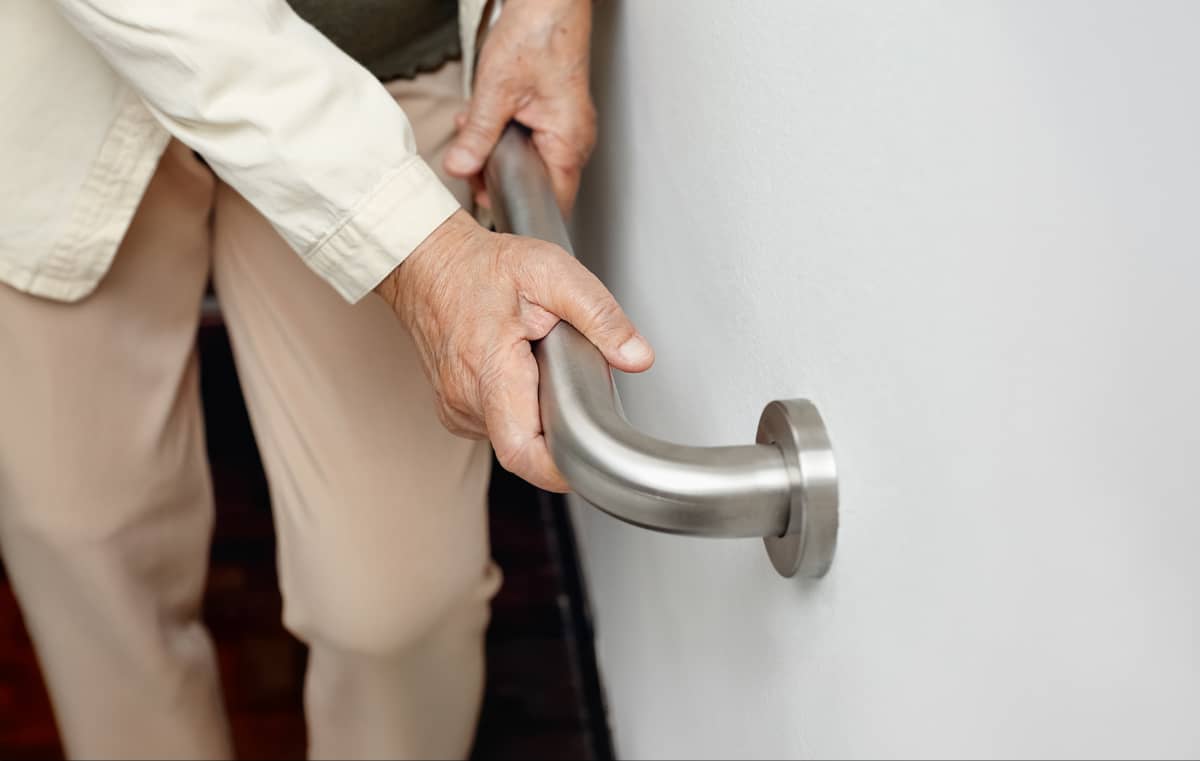
Caregivers help prevent falls by keeping the house clean and helping them safely move around.
Caregivers can also go through the house with them and ensure it meets the CDC’s checklist for fall prevention (no fall hazards such as clutter and loose rugs) and help them install any home modifications that are needed (such as handrails).
Medication assistance
Home care providers offer medication management to help people establish a routine to fill, organize, and take their medicines. Caregivers can remind them to take them and ensure they are taking the correct dose at the correct time. Home caregivers can also monitor for any side effects or medication interactions.
Transportation
Transportation is a service that many seniors or people with health issues may need if they cannot safely drive themselves. Caregivers can take them to appointments, errands, shopping, out to eat, and social activities.
Home care providers can also help them in and out of the car and accompany them wherever they are going.
Appointment liaison
The appointment liaison service coordinates with their medical team to schedule appointments, assist with necessary preparation or paperwork, advocate for them, and help them understand all their medical information.
Companionship
Another service is companionship care, where caregivers can serve as a social connection and emotional support. They form a friendship and can have fun talking, reading together, watching movies, playing games, or engaging in the person’s favorite hobbies or social activities.
Transitional care
Home care can be used during transitional times, such as after a hospital discharge or post-surgical. Caregivers can help ensure a smooth and safe transition to make it easier to heal and regain their strength.
Alzheimer’s or dementia care
Memory care provided as a home care service can help people with Alzheimer’s or dementia to be kept safe and comfortable in their homes. The caregivers have been well-trained and specialize in how best to communicate and interact with people with these illnesses and how to best help them manage their symptoms.
Stroke care
Some home care providers (such as Pacific Angels) specialize in stroke home care. Caregivers can help them manage their care, prevent new health issues, and relearn their activities of daily living (ADLs).
Palliative care
Palliative home care focuses on quality of life by managing symptoms, reducing discomfort, and finding the best support (including coordinating with their health care team and getting/setting up any equipment or aides that are helpful).
Hospice
Hospice home care helps people face end-of-life with dignity and comfort. The focus is on respecting their wishes, providing support, and creating a peaceful environment.
Respite
Respite care is temporary care designed to give primary caregivers (typically family) a break, so they can take care of themselves, attend to their other responsibilities, or practice self-care. It can range from a couple of hours to a couple of weeks.
8 Benefits of home care services
There are many benefits to hiring home care.
1. Safety and supervision
An often overlooked but important benefit of home care is supervision by trained caregivers. These caregivers can ensure the person is well taken care of, monitored, and safe.
2. Familiarity
Home care helps people stay in the home. People are comforted by being in a familiar environment. Home caregivers can also help people maintain their familiar routines and engage in their preferred activities.
3. Better mental health
Having the necessary care improves a person’s quality of life. It gives them more independence and less stress.
4. Personalized plans
Home care plans are tailored to each individual’s needs and schedule. They can utilize any of the services offered when needed(from only a few hours occasionally to 24/7).
5. Avoid social isolation
Companionship care can help people avoid social isolation (a lack of social connections). This benefits them mentally, emotionally, and physically, since, according to the National Institute on Aging (NIA), social isolation can cause an increased risk of high blood pressure, weakened immune system, cognitive decline, heart disease, depression, and anxiety.
6. Peace of mind
Home care also has benefits for the person’s family and friends. It provides them peace of mind that their loved one is in good hands and will be safe and have their care needs met.
7. Prevents caregiver burnout
Respite care also helps family and friends caregivers to avoid caregiver burnout by giving them breaks when needed.
8. Help people remain involved in the Carmel community

Another benefit of home care in Carmel is that the caregivers can help people remain involved in the community. Caregivers can take (and accompany) them to:
- the library
- walks along the coast or at Carmel River State Beach
- hikes at Mission Trail Nature Preserve, Garrapata State Park, or Point Lobos State Natural Reserve
- shopping at Carmel Plaza
- volunteering
- restaurants (like the Village Corner Bistro)
- plays at Pacific Repertory Forrest Theater
- see art at the Center for Photographic Art or the Carl Cherry Center for the Arts
Why choose Pacific Angels Homecare for home care in Carmel, CA?
Pacific Angels Home Care has kind, reliable caregivers who offer services to help people with whatever health challenges they face. We offer help with activities of daily living, meal prep, housekeeping, safe transportation, appointment coordination, medication management, fall prevention, companionship care, respite care, and specialty care.
All of our caregivers are thoroughly screened, trained, and given oversight. We are bonded, licensed, and insured.
Each person receives a customized care plan with the services personalized to their needs. Our caregivers are flexible and experienced in adjusting care as needed. We are available whenever needed (24 hours a day, 7 days a week).
Next steps? Get a free in-home consultation
Those looking for home care in Carmel and the surrounding areas in California, call us today at (831) 708-2876 or reach us online to schedule an in-home consultation to create a custom care plan.
