

Human beings are social creatures, and social connections are important for our mental and physical health.
Unfortunately, as people age, they become more likely to experience social isolation and loneliness.
According to the National Academies of Sciences, Engineering, and Medicine (NASEM), nearly 25% of adults aged 65 or older are considered socially isolated.
Let’s explore what social isolation in the elderly is and how you can help your parents or other loved ones prevent and avoid it.
What is Social Isolation?
Social isolation is being separated from other people and a lack of social connections. Loneliness is the negative feeling of being alone and separated.
According to the CDC, these are two related yet distinct issues since some people can feel lonely while around other people, and other people who are socially isolated may not feel lonely.
Causes of Social Isolation in the Elderly
Social isolation in seniors can be caused by:
- Living alone
- Death of a spouse, family, or friends
- Your friends or family moving away
- Mobility issues
- Chronic illness
- Lack of safe transportation
- Lack of a job
- Incontinence or other health issues that may cause embarrassment
- Hearing loss
The elderly population is more likely to experience these causes, which is why they experience more social isolation.
Effects of Social Isolation on the Elderly
According to the CDC and the National Institute on Aging (NIA), social isolation:
- increases a person’s risk of premature death as much or even more than smoking, obesity, and physical inactivity
- causes higher risks of high blood pressure, weakened immune system, and cognitive decline
- leads to an increased risk of 50% for dementia, 29% for heart disease, and 32% for stroke
- can make individuals start to feel threatened and mistrustful of others
- leads to higher rates of depression, anxiety, and suicide
How to Reduce or Prevent Social Isolation in the Elderly
Social isolation has many damaging effects, but the good news is that you can address social isolation.
The National Institute on Aging (NIA) states that people who engage in meaningful, productive activities have an improved mood, increased cognitive function, and tend to live longer.
Here are some tips that can help you reduce your elderly loved one’s social isolation by keeping them as social and active as possible.
Address contributing health issues
Health issues can lead to embarrassment, trouble moving around, and/or difficulty communicating. Addressing these health issues can help your elderly loved one feel more comfortable engaging in social activities.
Difficulty hearing
If your loved one has difficulty hearing, they may avoid social situations because they have trouble communicating. Addressing this issue and getting hearing aids can help them communicate more effectively.
Vision problems
Another factor that makes communication and moving around more difficult is vision problems. Schedule a visit with their optometrist for a vision test and work with them for solutions.
Mobility struggles
People that have trouble moving around have a harder time leaving the house. A cane, walker, or wheelchair can help them remain mobile.
Incontinence
Incontinence can be very embarrassing and frustrating.
Talk to your parent’s health care providers about medication, physical therapy, and incontinence supplies so that they can leave the house without fear of an accident causing them embarrassment.
Encourage Friends, Family, & Neighbors to Visit
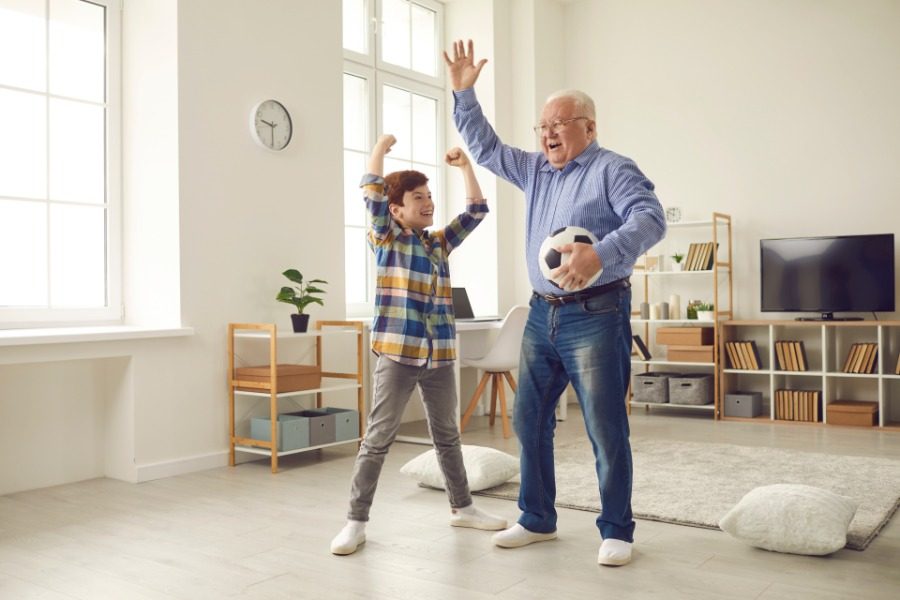
Talk with your parent’s friends, family, and neighbors about your concerns about their social isolation.
Encourage a relationship with their grandkids, niece, or nephews. Take them out to eat.
You can all make an effort to visit and take them out.
Those who live far away and can’t see your loved one frequently in person can use technology to stay in touch through frequent emails, texts, phone calls, and video chats.
Make Transportation Easily Available
Lack of transportation can be why some people become more socially isolated since many elderly can no longer drive.
Go over the safe transportation options available, such as family and friends, public transportation, home care providers, taxis, or rideshare services, with your loved ones.
If they know what options are readily available, they will be more likely to use them.
Help Them Find Hobbies & Activities That They Enjoy
Help your parent find hobbies and activities that they enjoy, particularly anything that involves going out or being with other people.
Some ideas include:
- Playing board or card games
- Watching movies or going to the movies
- Attending plays or concerts
- Joining a club, such as a gardening club, knitting group, or book club
Sign Them Up for Classes or Activities
Talk to your loved one about signing up for classes or events such as:
- Events at your local library
- Events at your local senior center
- Appropriate exercise classes, such as water aerobics or walking groups
- Attending adult day service centers
Suggest Volunteering
According to the NIA, having a sense of mission and purpose is linked to healthier immune cells.
Volunteering for a cause that your loved one believes will provide social interaction and a sense of purpose.
Get In-home Companionship Care for Your Elderly Loved One

Home care providers can help your loved one with their activities of daily living (ADLs), such as moving around, going to the bathroom, bathing, dressing, and grooming.
Home care services include running errands, light housekeeping, medication compliance, transportation, and meal preparation.
In addition to these services, home care providers also offer companion care.
The home caregivers provide a social connection and emotional support. They also provide mental stimulation through conversation or playing games.
Hiring a local caregiver can help your parent do their favorite hobbies and social activities.
Consider a Residential Facility
If your parent needs additional physical or mental support beyond what these tips can provide, you may want to consider a residential facility.
These facilities offer more care and provide structured social activities.
Talk to your parent about your concerns and work together to develop a plan that best meets their needs.
Hire Pacific Angels Home Care for Companionship Services in California
Pacific Angels Home Care provides companion care services to residents in Monterey, Santa Cruz, Aptos, and the surrounding areas in California.
Our kind and experienced caregivers can help prevent social isolation in the elderly and provide social interaction and mental stimulation. We can help your loved one engage in the hobbies and activities they love.
We can help your loved one move around, go to the bathroom, bathe, and groom. We also offer light housekeeping, laundry, meal preparation, and medication compliance services.
Our trained caregivers can provide safe transportation to wherever they need, including doctor appointments, social events, or going out to eat.
We are available for as few or as many hours as you need and tailor our services to the individual’s needs.
For those in the Aptos, Monterey Bay, or Santa Cruz area, call us today at (831) 708-2876 or reach us online to schedule an in-home consultation.
