
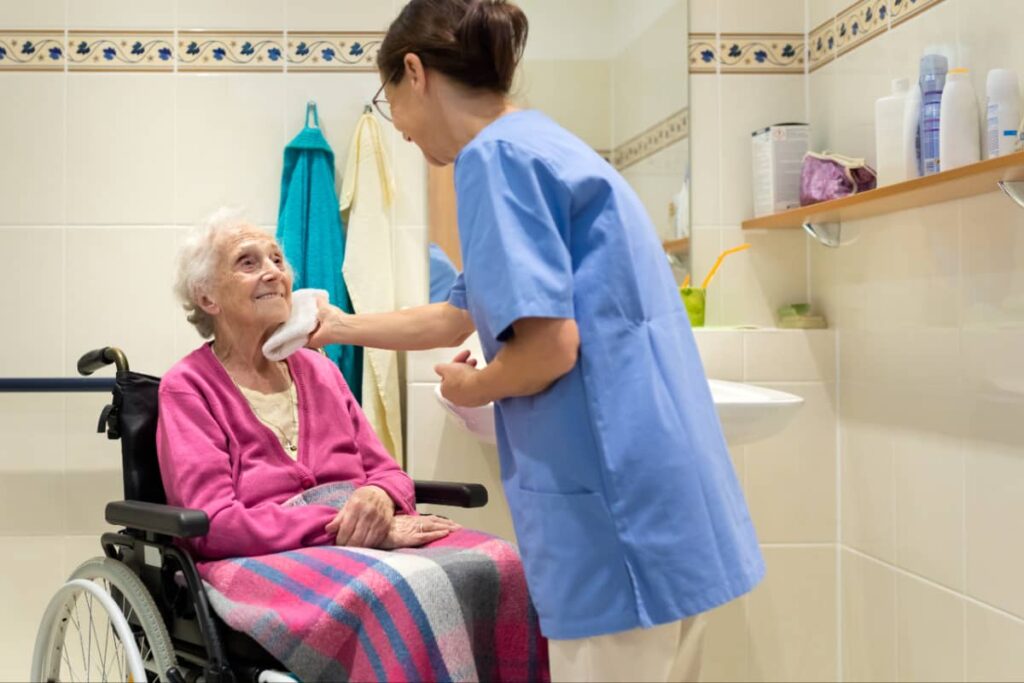
Coming home after a hospital stay or surgery can be an overwhelming time. It is also a time when having effective care is most needed.
Post-hospital home care in California offers assistance to people during this time of transition. Home care offers a range of services tailored to each person’s needs. It can help them recover with less errors, less stress, and more independence.
What is Transitional Care?
Transitional care ensures health care continuity as a person is moved to different locations (such as from hospital to home) or to a different level of care.
Seniors, people with chronic illness, post-surgery patients, or people with complex medical care needs can all benefit from transitional care.
Common types of transitional care are physical therapy, rehabilitative nursing or home health care, and home care.
Why is Post-Hospital Home Care Important?
Post-hospital home care is extremely important transitional care because the period after discharge from the hospital (up to the first several weeks) is a critical time for people’s health.
Studies show that nearly 20% of people experience “adverse events” (such as medication problems, therapeutic errors, falls, or infections) within 3 weeks after discharge, and nearly three-quarters of these events were preventable or could have been treated.
Having professional assistance can help you or your loved one avoid these adverse events and make their healing go much more smoothly.
Post-Hospital Home Care Services
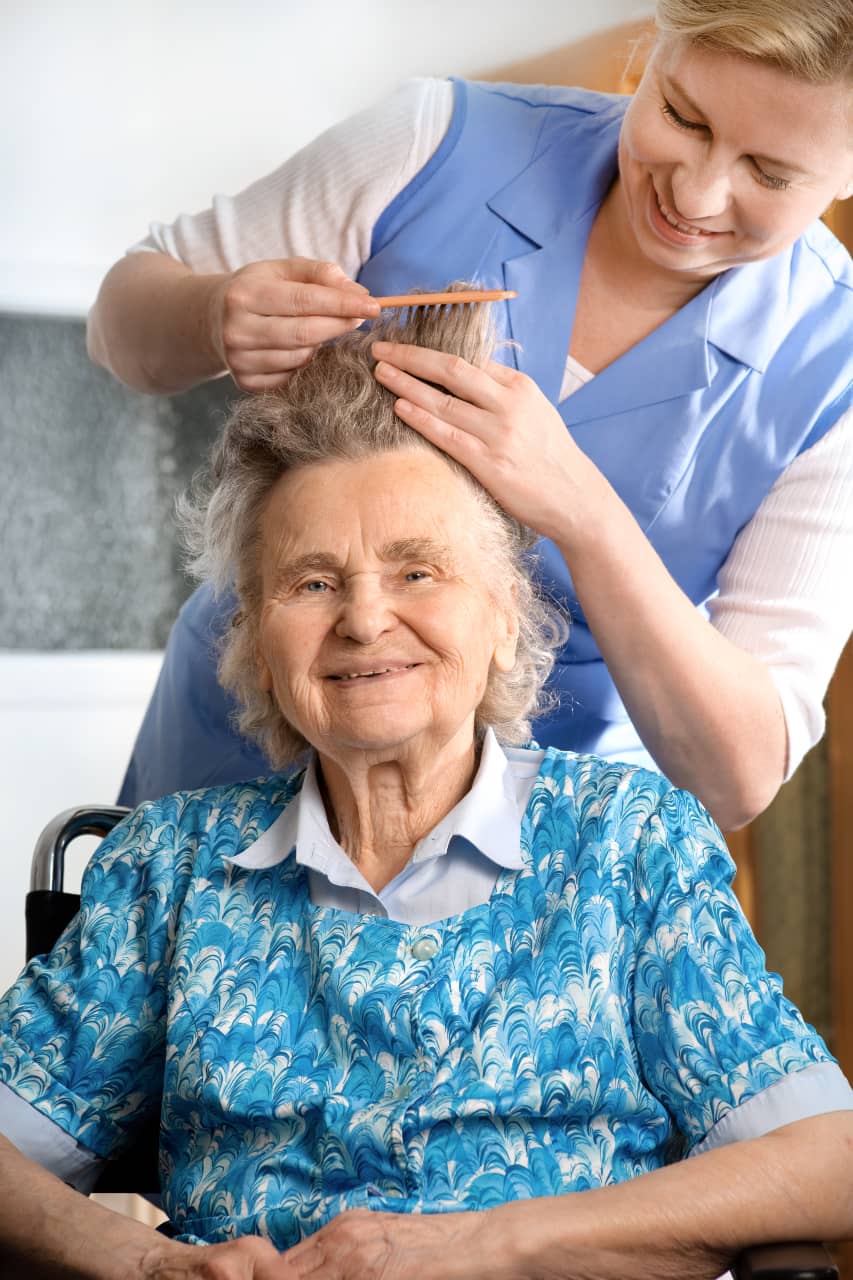
Home care offers many services that are helpful for post-hospital transitional care, such as:
- Set up recovery station: Have medications, equipment, supplies (like bandages or ice packs), and food ready when they come home. Arrange their bed on the ground floor and have essentials (phone, entertainment, water, snacks within reach).
- Medication management: Picking up and storing medicines and ensuring they take the correct dose at the correct time (including setting up a system and reminders for them)
- Following medical instructions: Organizing, understanding, and following all the discharge or post-op instructions
- Patient education: Helping the individual receiving care (and their loved ones) understand their medical condition, medications, and instructions
- Coordinating care: Scheduling appointments and being a liaison between healthcare providers to ensure everyone is on the same page
- Changing sheets/bedding and doing laundry
- Light housekeeping
- Meal prep: Every step from planning, grocery shopping, and cooking
- Mobility assistance: Helping with turning, positioning, transferring, and moving around
- Personal care: Help with going to the bathroom, bathing, grooming, and dressing
- Transportation: To appointments, errands, or social activities
- Advocacy: Can go to follow-up appointments and help advocate for the individual
- Wound care: Keep clean and dry and follow instructions for changing bandages to help prevent infection
- Ensure a safe and accessible environment: Clear home to prevent falls and help people get the safety modifications or equipment they need (such as wheelchair ramps, walkers, grab bars, elevated toilet seats, or shower chairs).
- Monitor for complications
- Encourage gentle movement or exercise routines as medically directed
- Encouraging fluids and meals
- Companionship and emotional support
- Respite care: Temporarily relieving their primary caregiver of their responsibilities to help caregivers avoid burnout and attend to their needs
- Specialized care for dementia or Alzheimer’s
Home care is tailored to each individual’s needs and available as needed (from occasional respite care to 24/7 care).
Some insurance or Medicare will cover different amounts of home care (check what your insurance covers), and Medi-Cal covers In-Home Supportive Services (IHSS), which is home care.
Benefits of Post-Hospital Home Care
There are many benefits of post-hospital home care for the patient’s safety and the well-being of them and their family. These benefits include:
- Monitoring for safety: home caregivers can monitor for any signs of deterioration, infection, or adverse reactions
- Improved health outcomes and preventing hospital readmissions: Patients heal better because their medication and discharge instructions are being followed correctly, and the caregivers can avoid falls and any other preventable errors.
- Lower cost long term: When people think about the cost of home care during the transition, they don’t think about how much money it will save them long term by preventing costly complications and additional hospital stays.
- Return to normalcy: Home care helps people to return to their normal routines faster, which can make life feel like it is returning to “normal”
- Increase independence: When people have assistance at home, they can manage to return home more quickly. They can get assistance with only the areas they want or need and can maintain as much independence and control over their lives as possible.
- Less isolation: According to the National Academies of Sciences, Engineering, and Medicine, about 25% of seniors (65 or older) are already considered socially isolated (don’t have social connections). This can be exacerbated by a hospital stay or surgery. Home caregivers provide companionship and emotional support.
- Reduce stress: Having help, monitoring, and companionship can provide peace of mind to both the person receiving care and their loved ones. Everyone can rest assured that they can get the care they need and are safe.
- Reduce confusion and overwhelm: Having a professional to help you understand medication and discharge/post-op instructions can reduce confusion and overwhelm for everyone involved.
When Should You Get Home Care for Post-Hospital Services?
The name post-hospital care suggests that you are waiting until after you leave the hospital to get care, but this is not the best route. The time immediately following discharge is a vulnerable period. It is recommended to get care prior to your discharge or pre-surgery.
Arranging care earlier allows you time to meet and find the right caregiver and for them to make a care plan with you.
It also gives the caregiver the chance to prepare your home, including checking for fall hazards, preparing your recovery area, and stocking up (on medications, equipment, supplies, and food).
Hire Pacific Angels for Post-Hospital Home Care in California

Pacific Angels Home Care offers transitional care for people following a hospital stay. We are available as needed and tailor our services to each senior’s needs.
Our kind and well-trained caregivers can prepare a stocked and safe home environment, provide medical coordination and advocacy, follow medication and medical instructions to prevent errors, and monitor for complications.
They also help with mobility, personal care, meal prep, light housekeeping, and transportation. Additionally, they offer companionship care, specialized care for those with dementia or Alzheimer’s, and respite care.
For those in Monterey, Santa Cruz, Aptos, and the surrounding areas in California, call us today at (831) 708-2876 or reach us online to schedule an in-home consultation.
