

Navigating from hospital to home can be a hard transition for seniors. They will need help. It is important for families to learn all they can about supporting seniors after a hospital stay.
1. Understand the challenges and plan
A hospital stay takes a big physical and emotional toll on people. They come home not only recovering from their wounds or illness but also weak, with mobility issues, and under a lot of stress. Everyone needs to understand the challenges they will face.
It is also important to work with the doctors to understand the length of the recovery and the plan for their care after discharge.
2. Coordinating care
There may be a lot of different people involved in their care. Everyone needs to know the plan, and a schedule needs to be determined.
It is also a good idea to have an emergency plan and ensure that each care provider has an emergency contact list.
Designate a family or friend to be the point person to coordinate care with all the different providers.
Post hospital care facility vs home
The first decision will be if the senior needs to go to a post hospital care facility or if they can recover at home.
Talk with the doctors and discharge planners about the care they need. Talk about the help that friends and family can provide. Think about if hiring a home health care worker or home care provider will work. Investigate facilities. Talk about this decision as a group and decide what works for their situation.
It is important to figure this out before they are discharged so they have a clear discharge plan and necessary care available.
Doctors
The doctors will prescribe the medication necessary. Keep track of the follow-up appointments.
Family or friends
Talk to loved ones to determine who can help with what. Create a schedule.
Try to be realistic about what people can offer and ensure they have time for themselves and their self-care to avoid caregiver burnout.
Physical or occupational therapy
After a hospital stay, seniors may need physical therapy to help improve their strength and mobility. They may also need occupational therapy to help them adapt their environment or learn new ways to perform their everyday activities.
Home health care
If the senior is recovering at home, they may require home health care, such as nurses coming to help them change their dressing, administer medicine, or check-in.
Mental health care
Don’t forget the mental and emotional toll that health issues, a hospital stay, and a feeling of lack of control or independence can take on a person’s mental health.
Seniors can take care of their mental health by having a support system of friends and family, joining a support group, and starting therapy.
Home care services
A lot of the help seniors need is not medical—it is help taking care of themselves. Home care services offer personal care to help people with their activities of daily living, medication management, transportation, meal prep, and housekeeping.
3. Home environment
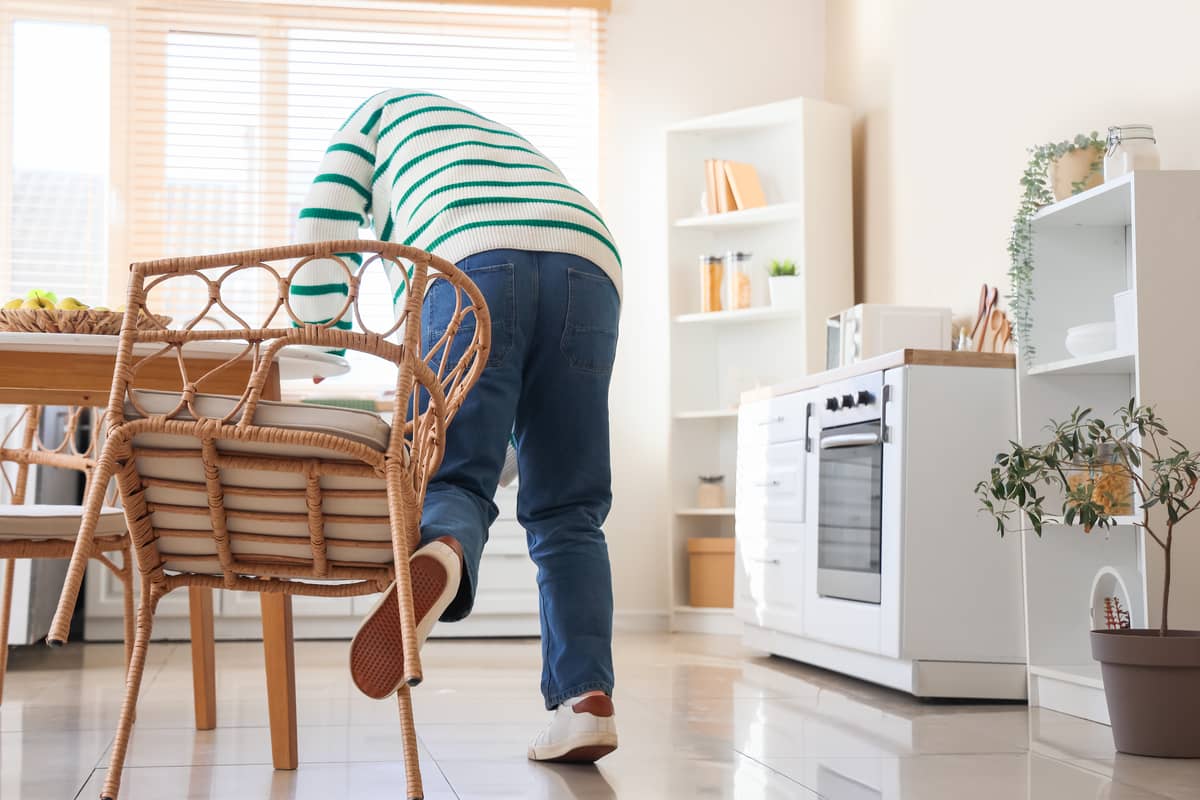
With or without occupational therapy, part of recovery is learning how to adapt your home environment to make it accessible and safe.
To make the home accessible, they may need to install a wheel chair ramp, set up a room for them on the ground floor, or get mobility aides (such as a cane or walker).
Make sure there is a clear entrance for caregivers to come and go.
A big part of home safety is making sure the home is free of fall hazards:
- Remove clutter
- Clear any walkway
- Keep stairs clear and in good condition
- Secure loose rugs, carpets, or floorboards
- Have adequate lighting
- Install grab bars in the bathroom
Go through the CDC’s Fall Prevention Checklist to check for fall hazards.
Safety isn’t the only concern. Go through the home to try to make it more comfortable for them. Have things for them to do. Keep things they need within easy reach. Have snacks prepared and comfy blankets or slippers for them.
Recovery is hard, so we want to do everything possible to make it easier and more comfortable for them.
4. Activities of daily living (ADLs)
Making the home more accessible is an important step, but many seniors will also need more mobility assistance.
They may also need help with other activities of daily living, including bathing, dressing, going to the bathroom, and eating. They need to learn how to adapt these tasks to their capabilities.
It is especially important to prioritize hygiene as they recover.
Assistance with their ADLs can come from friends and family caregivers or from hiring home care services (they offer personal care to help with ADLs).
5. Medication management
After they come home from the hospital, seniors will likely be on new medications and may need help developing a system.
Understand the new medications, potential side effects or interactions, the dosage, and the schedule of when to take them.
They can create a system using pill organizers and reminders.
Friends and family or home care providers can also help seniors with medication management and remind them to take the correct dose at the correct time.
6. Housekeeping
Seniors will be busy focusing on their recovery, so they may need help with housekeeping (such as picking up, dusting, sweeping/vacuuming, and doing laundry) from friends and family caregivers or home care providers.
7. Meal preparation
Proper nutrition is essential when recovering from a hospital stay. Unfortunately, seniors may not have the energy or mobility to be able to prepare meals for themselves. A great way to support seniors is to provide meal prep (or hire home care providers to offer meal prep).
8. Hydration

It is also essential that seniors get enough hydration. For some people, this can prove difficult, and they may need support. Friends, family, or home caregivers can help seniors maintain proper hydration by having fluids available, tracking their fluid intake, and reminding them to drink.
9. Transportation
After a hospital stay, many seniors cannot drive and need safe transportation to appointments, errands, or social outings.
Family and friends could provide this or home care providers. Learn more about the safe transportation options available for seniors.
10. Close monitoring
A crucial part of supporting seniors after a hospital stay is simply monitoring them. Ask the doctor before they are discharged signs to keep an eye out for, such as fever, pain, vitals, wound healing, or confusion. Report on any worsening condition.
Friends and family or home care providers can monitor them and ensure they are following their discharge instructions, including any advised diet or exercise.
11. Emotional support and companionship
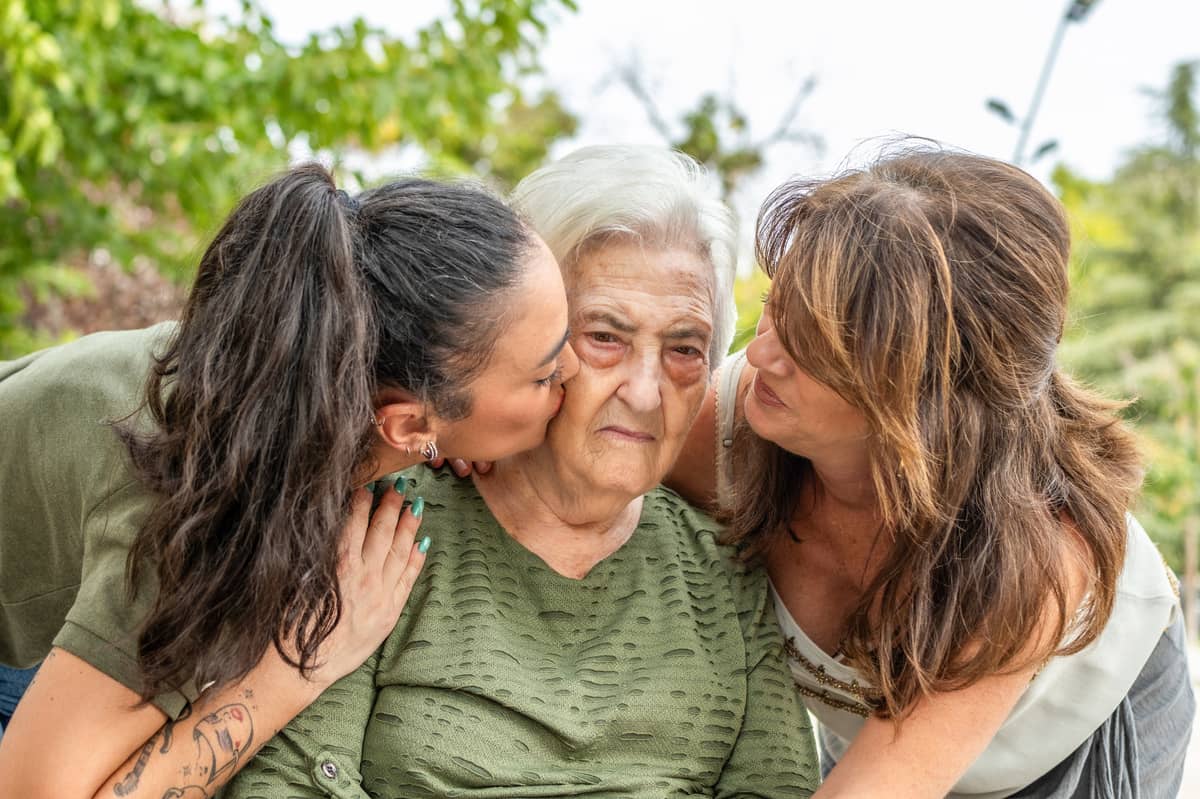
Emotional support is an often overlooked area that seniors will need support in after a hospital stay.
Health issues, a hospital stay, and recovery are all difficult and take an emotional toll on people. Try to be patient with them, have a team mentality, and approach all conversations with empathy.
Encourage them to socialize and see friends and family. Talk with them, play their favorite games, watch a show with them, or read a book together.
If you fear they are still too isolated, consider companionship care by home care providers so they have someone to spend time around.
12. Encourage independence and routine
As they start recovering, they need to start regaining their independence and establish a routine. This will give them control over their lives and a sense of normalcy. Additionally, having this agency boosts their confidence.
Even if it takes longer, allow them to do tasks themselves and encourage them to do what they can to maintain independence.
13. Celebrate progress
Recovery can be a long road, so it is important to make sure that you celebrate all the small wins and progress along the way.
Hire Pacific Angels Home Care for Seniors in California
Pacific Angels Home Care can help support seniors after a hospital stay. We are available as needed and tailor our services to each senior’s needs.
Our kind and experienced caregivers can help create a clean and safe home environment, help with mobility assistance, and offer personal care for the other activities of daily living.
They also offer medication management, meal prep, hydration support, safe transportation, monitoring, and companionship care.
For those in Monterey, Santa Cruz, Aptos, and the surrounding areas in California, call us today at (831) 708-2876 or reach us online to schedule an in-home consultation.
