

Proper hydration is important for everyone, but proper hydration for seniors is especially important since they are at a higher risk of dehydration and can need help getting enough fluids.
Luckily, there are easy steps that seniors and their caregivers can take to ensure that they are getting all the fluids they need.
Why is hydration important for seniors?
According to Harvard and Healthline, proper hydration:
- helps digestion (less constipation)
- increases energy levels
- prevents and treats headaches
- regulates body temperature
- helps joints by keeping them lubricated
- prevents infection
- delivers nutrients to cells
- keeps organs functioning properly (it is especially important for kidney function)
- improves sleep quality
- improves cognition and focus
- improves mood
Water is also important for some medications to be effective and has been shown to decrease the risk of heart disease.
Why is dehydration a problem for seniors?
Seniors have physiological changes that increase their risk of dehydration.
Cleveland Clinic states that the decline in kidney function as we age and the fact that the sensation of thirst lessens puts seniors at greater risk of dehydration.
Another problem that increases the risk of dehydration is that as we age, we lose lean tissue, reducing the amount of water our bodies can store.
Additionally, a study has found that our bodies become less effective at regulating temperature as we age, so seniors are more likely to become dehydrated when sweating from activity or exercise.
Seniors can also face other health challenges that can make it harder to intake or retain fluids, such as:
- diarrhea
- blood loss
- illnesses (like diabetes)
- medications that cause frequent urination (such as diuretics or laxatives)
- mobility issues that make it hard to get fluids
- difficulty swallowing
- incontinence (which may cause them to limit their fluids, especially if they are going out)
- memory issues that can make it hard to remember if they have drank enough water that day
How much water should seniors drink a day?
The general rule is to drink 6-8 cups of water daily. However, how much water each person needs is not that simple. It depends on their activity level, if they are in the heat, health conditions, and the amount of fluids they get from their diet.
Seniors should talk to their doctor and/or dietician about how much water they need each day.
11 ways to help seniors maintain proper hydration
Fortunately, there are many things that can be done to help seniors maintain proper hydration.
1. Talk to their doctor
An important first step is to talk to the senior’s doctor. Address any health issues that could be causing dehydration, such as illnesses, medication side effects, or difficulty swallowing.
It is also important for seniors to ask their doctor how much water they need to consume each day—some health conditions can cause people to need more, and some can require fluid restriction (such as heart failure or kidney disease).
2. Address incontinence
If incontinence is causing them to limit their fluids, then addressing it can help them get proper hydration.
Learn more about how to address incontinence.
3. Monitor for signs of dehydration
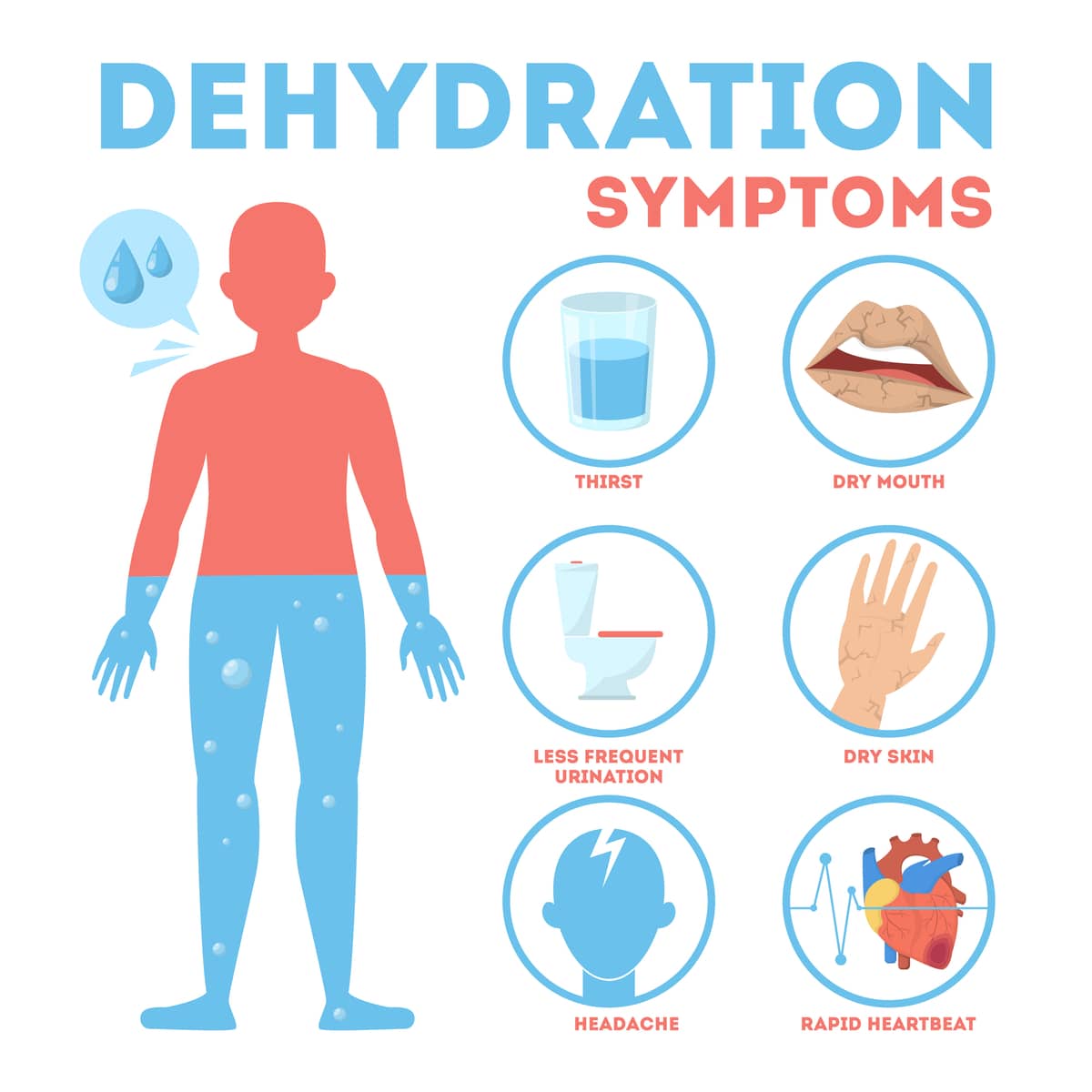
It is important to monitor seniors for signs of dehydration. Seniors can self-monitor for signs of dehydration, or caregivers can monitor them.
According to the Mayo Clinic, signs of dehydration to look for in adults include:
- Extreme thirst
- Less frequent urination
- Dark urine
- Fatigue
- Dizziness
- Confusion
Be extra cautious if they are in the heat, have diarrhea, or have lost blood.
4. Get water bottles
Having a good water bottle can make people more likely to drink their water. The bottle needs to be easy to see, use, and transport. That means it may need to have straws, handles, and/or no-spill lids, depending on the needs and preferences of the senior.
Invest in getting a bottle they like that is easy for them to carry around and use.
5. Always have water with you
Having a good water bottle is useless if you don’t carry it with you. Get used to taking your water everywhere that you go.
Always having water near you will make it easier to drink throughout the day instead of just at meal times.
6. Track fluids
Track the amount of fluids that they are consuming. You can use an app or keep track on paper.
An easy way to keep track is to know how many fluid ounces their bottle of water is and how many times they need to fill it up (or use multiple bottles) to reach their fluid goal each day.
7. Try other beverages
If water is not their preference, they can try other beverages, such as:
- Adding lemon, cucumber, mint, or other fruit to the water
- Flavored water (either bottles of it or packages that are mixed into the water)
- Coconut water
- Sparkling water
- Electrolyte drinks such as Gatorade or Powerade
- Ensure
- Smoothies
- Fruit juice
- Tea
- Broth
- Ensure
- Milkshakes
- Lemon aid
You could also experiment with having beverages at different temperatures to see if they are more likely to drink a hot, cold, or room-temperature beverage.
8. Eat foods high in water
If getting enough fluids from drinking is difficult, seniors can eat more foods that are high in water.
Many fruits and vegetables are high in water, such as cucumbers, melons, leafy greens, zucchini, celery, berries, tomatoes, peppers, grapes, oranges, and apples.
They can also eat soups, popsicles, and jello.
Another new way to get more fluids from eating is edible water jelly balls. These new products, Jelly Drops, help seniors get fluids by eating these sweet jelly balls.
If they need help finding foods to eat, they can see a dietician.
9. Make it a habit
Since the sensation of thirst decreases as we age, seniors cannot rely on feeling thirsty to remind them to drink—they need to make it a habit.
Make it a habit by associating it with things they already do—for example, take a drink every time they get up or at every commercial during their show.
10. Set reminders
If they have a hard time making it a habit or they have memory issues that make it hard to remember to drink, then they can set timers to remind them.
11. Hire a home care provider
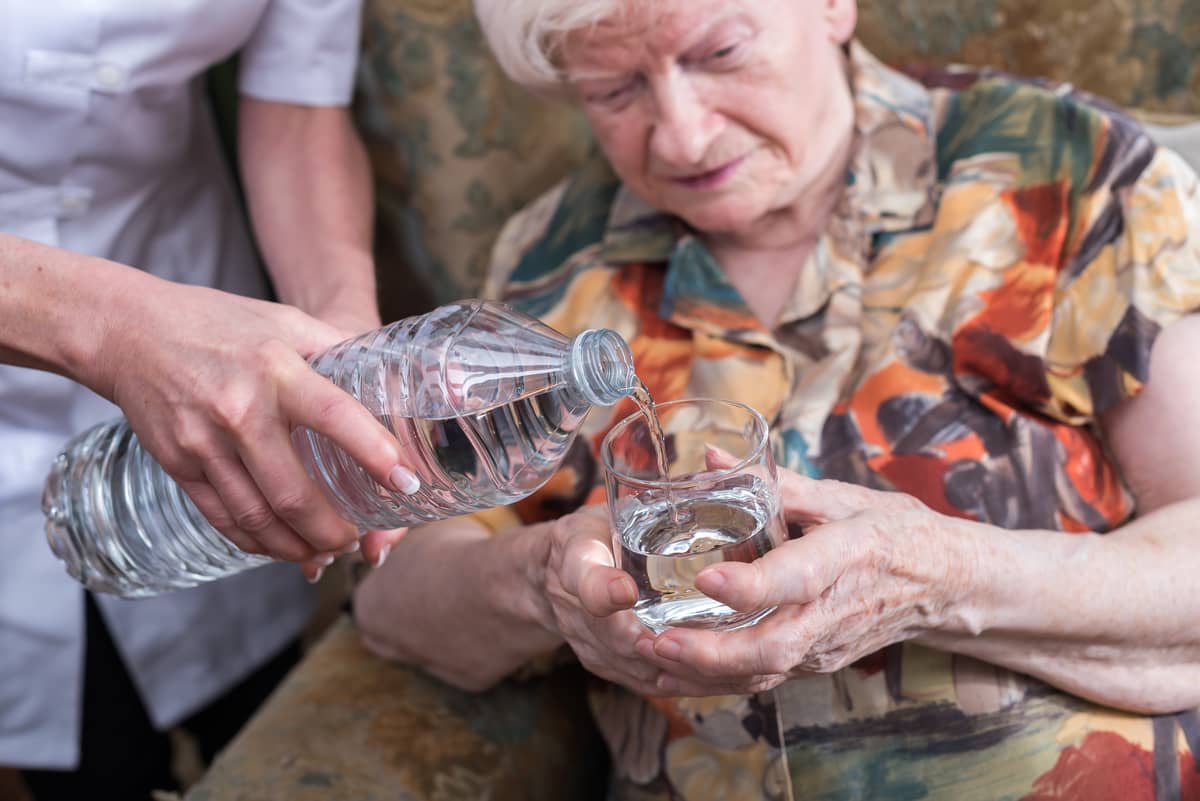
Home care providers tailor their services to the needs of the individual so they can help seniors get proper hydration by addressing whatever their specific struggles are.
For example, if seniors:
- have mobility issues that make it hard to get water—home care providers can get them water
- struggle with incontinence—home caregivers can help seniors manage incontinence and help them get to the bathroom
- have a hard time remembering to drink—home caregivers can remind them
- need foods that are high in water—home caregivers can help with meal planning, take them grocery shopping to find new foods, and prepare the food
- need help getting to their doctor’s appointments—home care providers offer transportation
Home care providers can also track their fluids and monitor them for signs of dehydration.
Pacific Angels Home Care can ensure proper hydration for seniors
Pacific Angels Home Care can help seniors in Monterey, Santa Cruz, Aptos, and the surrounding areas maintain proper hydration.
Our kind and experienced caregivers are available as needed and can help seniors monitor for signs of dehydration, track fluids, and remind them to drink. They can provide transportation, help them get around, help them use the bathroom, and help with meal planning.
Call us today at (831) 708-2876 or reach us online to learn more about how we can help seniors age in place.
